Cat Travel Kit for Car Journeys: UK Essentials
What to pack for a car journey with your cat: a crash-tested carrier, calming pheromones, water, litter and the UK law on restraining pets safely.
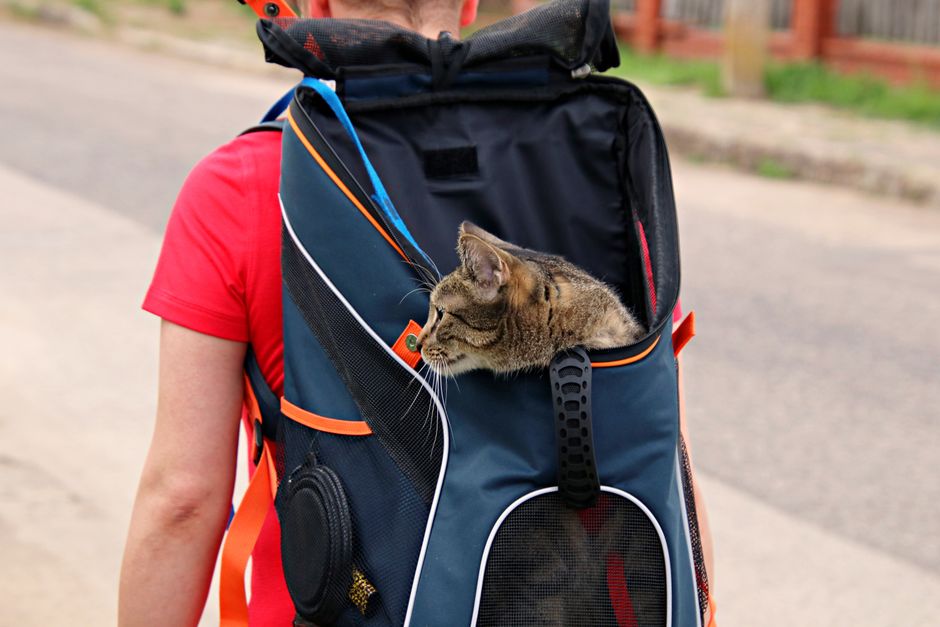
Cats are creatures of territory, so a car journey - unfamiliar, loud and moving - is one of the more stressful things you can ask of them. The good news is that a well-chosen travel kit makes the difference between a frantic trip and a calm one, and most of it is inexpensive. This guide covers exactly what to pack for a car journey with a cat, what UK law requires, and which specific products are worth your money.
What does UK law say about travelling with a cat by car?
The relevant rule is Highway Code Rule 57, which states that dogs and other animals must be suitably restrained in a vehicle so they cannot distract or injure the driver, or hurt themselves, if you stop quickly. The Code names a seat belt harness, a pet carrier, a cage or a guard as acceptable ways to do this.
Rule 57 carries no direct fine, but an unrestrained cat that distracts you can lead to a driving-without-due-care charge, and some insurers may treat an unrestrained pet as negligence after a claim. For a cat, a secured carrier is by far the most practical way to meet the rule - a loose cat in a moving car is both illegal in spirit and genuinely dangerous.
What should be in a cat car travel kit?
Six things cover almost every journey. The first three are essential on any trip; the rest matter once you are travelling for more than an hour or two.
A secure carrier
Rigid or semi-rigid, big enough for your cat to stand and turn, with a door that latches firmly. This is your restraint, so it must be strappable into a seatbelt.
A calming aid
A synthetic feline pheromone spray applied to the bedding 15-30 minutes before you set off. Feliway is the widely stocked option in the UK.
Familiar bedding
A blanket or item that already smells of home lines the carrier and gives your cat something reassuring to settle on.
Water and a spill-proof bowl
A collapsible or travel bottle-and-bowl for stops on longer journeys - cats rarely drink while moving, but should be offered water at breaks.
A travel litter tray
A shallow, foldable tray plus a small bag of your usual litter for journeys over a couple of hours.
ID and paperwork
A collar tag or up-to-date microchip details, plus any vet paperwork if you are heading somewhere that needs it.

Which carrier is safest for a car journey?
Not all carriers are built for cars. The safest are those that have been crash-tested, and the best known is the range from Sleepypod (a US carrier brand independently crash-tested by the Center for Pet Safety), which is sold in the UK and lets you thread a seatbelt through dedicated straps. Whatever you choose, the priorities are the same: a hard or reinforced shell, a firmly latching door, good ventilation on more than one side, and - crucially - a way to anchor it to a seatbelt or ISOFIX point so it cannot become a projectile.
Position matters too. A carrier is most secure strapped into a footwell or belted onto a rear seat, low and stable, rather than perched on a seat where it can slide. Draping a light, breathable cover over part of the carrier reduces the visual overload that tips many cats into panic.
How do you keep a cat calm in the car?
Calm starts before the engine does. Leave the carrier out at home for days beforehand with treats and bedding inside so it stops being a vet-trip trigger. On the day, spray the bedding with a pheromone product such as Feliway (a synthetic copy of the facial pheromone cats leave when they feel safe) around 15-30 minutes before loading, so it has time to work.
In the car, keep the temperature moderate, drive smoothly, and resist the urge to open the carrier to comfort a distressed cat - a loose, frightened cat in a moving vehicle is the one scenario you most need to avoid. If your cat suffers badly with travel sickness or extreme anxiety, speak to your vet: prescription options exist and are far kinder than pushing through repeated bad journeys.
What about longer journeys?
Anything beyond a couple of hours turns the extras into essentials. Offer water at every break using a spill-proof travel bowl, and give access to a foldable litter tray with your usual litter during longer stops - most cats will not use one in a moving car, but will at a rest halt. Never leave a cat alone in a parked car, even briefly: interiors overheat dangerously fast, a risk the RSPCA highlights every summer. Pack a familiar toy, keep feeding light before you travel to reduce nausea, and plan your stops in advance so the whole trip feels controlled rather than rushed.
What mistakes should you avoid?
A few errors turn up again and again. The biggest is buying a soft, unstructured carrier that looks cosy but offers no crash protection and cannot be strapped down - comfort is worthless if the carrier itself becomes the hazard. Close behind is leaving everything to the day of travel: a carrier that only ever appears before a vet visit is a carrier your cat already fears, so it needs to live in the home as ordinary furniture for weeks beforehand.
Other common slips are skipping the pheromone spray or applying it too late to work, packing no water or litter on a journey long enough to need them, and - the most dangerous - opening the carrier to soothe a distressed cat while moving. Finally, resist stacking luggage against the carrier's vents; airflow on at least two sides is what keeps a cat comfortable, especially in warm weather when a stuffy carrier can overheat quickly.
Frequently asked questions
Is it illegal to travel with an unrestrained cat in the UK?
Should I feed my cat before a car journey?
Do calming sprays actually work for cats in cars?
Where is the safest place to put a cat carrier in a car?
Best Pet Travel Water Bottles UK (2026)

Travel Sickness in Dogs UK 2026 + Remedies