Dog-Friendly Cornwall: The Complete Guide for 2026
Everything you need to know about visiting Cornwall with your dog — from year-round beaches and coastal walks to pet-friendly pubs, cottages, and practical tips for a perfect Cornish holiday.
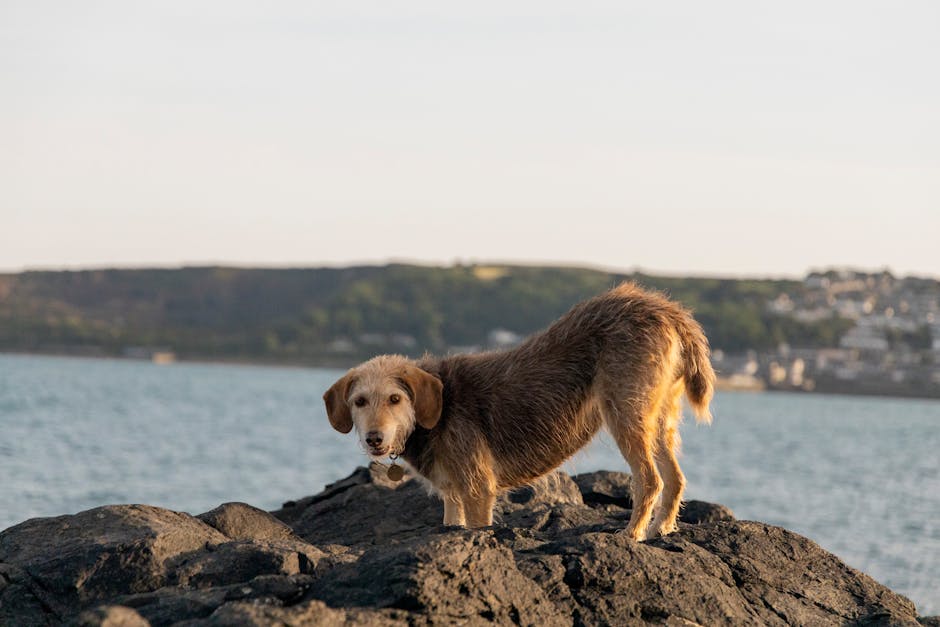
Dog-Friendly Cornwall
Sandy beaches, rugged cliffs, and cream teas — all with your four-legged friend by your side
Cornwall is one of the most dog-friendly counties in England. With over 300 miles of dramatic coastline, hundreds of beaches, world-class walking trails, and a thriving food scene that welcomes well-behaved dogs, it's no wonder it tops the list for pet-friendly UK holidays.
But planning a trip to Cornwall with your dog does require some homework. Many of the most popular beaches have seasonal dog bans from Easter to October, accommodation policies vary wildly, and the narrow lanes can make driving with a large dog a squeeze.
This guide covers everything you need to know to plan the perfect dog-friendly Cornish holiday — from beaches and walks to accommodation and dining.
Dog-Friendly Beaches in Cornwall
Cornwall has well over 100 beaches, and the good news is that many are dog-friendly year-round. However, the most popular tourist beaches typically enforce seasonal restrictions — usually from Easter through to the end of September or October.
Year-Round Dog-Friendly Beaches
These beaches welcome dogs all year with no restrictions:
- Constantine Bay — A beautiful sandy beach near Padstow. Great for surfing dogs and has rock pools to explore at low tide.
- Daymer Bay — Sheltered, sandy, and perfect for dogs who love paddling. Easy parking and a lovely walk along the Camel Estuary.
- Praa Sands — A mile-long sandy beach between Helston and Penzance. Dogs welcome all year, though it gets busy in summer.
- Kennack Sands — On the Lizard Peninsula, this beach has two coves separated by rocks. Usually quieter than north coast beaches.
- Porthcurno (outside peak season) — One of Cornwall's most stunning beaches. Dogs are allowed October to Easter.
- Holywell Bay — Large sandy beach with impressive sand dunes. Dogs welcome on most of the beach year-round.
- Perranporth — Three miles of golden sand. Dogs are restricted to certain areas in summer but have free run of the whole beach in winter.
Understanding Seasonal Restrictions
Most beach restrictions in Cornwall follow a similar pattern:
- Easter to 30 September: Dogs banned or restricted to certain areas
- 1 October to Easter: Dogs welcome on the whole beach
Always check the specific dates for each beach before you visit. Cornwall Council publishes an annual list of beach restrictions each spring.
Top tip: Visit popular beaches early in the morning or late in the evening during summer. Even restricted beaches often allow dogs before 9am and after 6pm.
Best Dog Walks in Cornwall
Cornwall's walking is outstanding, and most of it is perfect for dogs.
The South West Coast Path
The jewel in Cornwall's crown for walkers. This National Trail runs 296 miles around the entire Cornish coastline, and dogs are welcome along virtually the entire route.
Best sections for dogs:
- Zennor to St Ives (6 miles) — Dramatic cliffs, wildflowers, and stunning views. Moderate difficulty with some steep sections.
- Port Isaac to Polzeath (8 miles) — Passes through Port Quin and down to the beach at Polzeath. Fantastic coastal scenery.
- Lizard Point to Cadgwith (4 miles) — The most southerly point of mainland Britain. Relatively easy and wonderfully wild.
- Bedruthan Steps (2 miles circular) — Short walk with spectacular views of sea stacks. Not suitable for dogs to access the beach below.
Important: Keep your dog on a lead near cliff edges and around livestock. Many sections of the coast path pass through farmland with sheep and cattle.
Woodland and Inland Walks
- Cardinham Woods (near Bodmin) — Forestry England site with waymarked trails from 1 to 4 miles. Shaded, easy terrain, and dogs love the stream.
- Lanhydrock Estate (National Trust) — Beautiful parkland and woodland walks. Dogs on leads in the formal gardens but free to roam on wider estate walks.
- Bodmin Moor — Open moorland walking with granite tors and Bronze Age monuments. Dogs must be under close control near livestock.
- Tehidy Country Park (near Camborne) — 250 acres of woodland, lakes, and meadows. Well-maintained paths suitable for all abilities.
Dog-Friendly Accommodation in Cornwall
Cornwall has a huge range of pet-friendly accommodation, from luxury cottages to campsites.
Holiday Cottages
Self-catering cottages are the most popular choice for dog owners, and Cornwall has thousands of options. The main agencies include:
- Sykes Holiday Cottages — Large selection of dog-friendly properties across Cornwall. Many allow 2+ dogs.
- Cottages.com — Wide range from budget to luxury. Useful filters for dog-friendly properties.
- Classic Cottages — Cornwall specialists with a curated collection of premium properties.
- Cornish Cottage Holidays — Local agency with properties they personally inspect.
What to look for:
- Enclosed garden (essential if your dog is an escape artist)
- Ground floor access (some cottages have steep stairs)
- Distance to nearest walk or beach
- Number of dogs allowed (many restrict to 1 or 2)
- Additional pet fees (typically £25-50 per dog per stay)
- Dog washing facilities (a hose or utility room is a bonus after beach trips)
Hotels and B&Bs
Several hotels in Cornwall actively welcome dogs:
- The Scarlet (Mawgan Porth) — Luxury eco-hotel with dog-friendly rooms. Spectacular cliff-top location.
- Bedruthan Hotel & Spa (Mawgan Porth) — Family and dog-friendly. Direct access to the coast path.
- The Old Quay House (Fowey) — Boutique waterfront hotel welcoming dogs in certain rooms.
Camping and Glamping
Cornwall has excellent dog-friendly campsites:
- Treen Farm (near Porthcurno) — Simple, no-frills camping in a spectacular coastal location.
- Ayr Holiday Park (St Ives) — Modern facilities with easy access to town and beaches.
- Ruthern Valley (near Bodmin) — Glamping lodges in a peaceful valley setting.
Dog-Friendly Pubs and Restaurants
Cornwall's pub culture is wonderfully dog-friendly. Many pubs actively welcome dogs with treats, water bowls, and a warm spot by the fire.
Top Dog-Friendly Pubs
- The Pandora Inn (Mylor Bridge) — Historic waterside pub with a pontoon for arriving by boat. Dogs welcome in the bar areas.
- The Halsetown Inn (near St Ives) — Excellent food, local ales, and a proper welcome for dogs.
- The Blisland Inn (Bodmin Moor) — CAMRA award-winner on the edge of the moor. Perfect after a walk.
- The Blue Peter Inn (Polperro) — Right on the harbour in this picturesque fishing village.
- The Rashleigh Inn (Polkerris) — Beach-side pub with fantastic seafood and direct beach access for your dog.
Eating Out Tips
- Most Cornish pubs welcome dogs in bar areas but not dining rooms — always ask first
- Many cafes and restaurants have outdoor seating where dogs are welcome
- Rick Stein's restaurants in Padstow generally welcome dogs in bar areas
- Beach cafes are usually the most dog-friendly option
- Always carry your own water bowl and dog treats
Practical Tips for Visiting Cornwall with Your Dog
Getting There
- By car: The A30 and A38 are the main routes into Cornwall. Journey times from London: 4.5-5.5 hours. Plan rest stops — Exeter Services is a good halfway point with dog walking areas.
- By train: GWR runs services to Cornwall. Dogs travel free but must be on a lead. The scenic line from Exeter to Penzance is beautiful.
- Parking: Many Cornish car parks charge £5-10 per day in summer. National Trust members get free parking at NT car parks.
Livestock and Wildlife
Cornwall is a farming county, and livestock encounters are common:
- Always keep your dog on a lead around sheep, cattle, and horses
- The coast path passes through many fields with livestock
- Seal pups: Between September and January, grey seals pup on Cornish beaches. Keep dogs well away — seal bites are serious and can kill dogs.
- Adders: Cornwall has adders in heath and moorland areas. Keep dogs on paths during warm months.
Ticks and Health
- Cornwall is a tick hotspot, especially in coastal grasslands and woodland
- Check your dog thoroughly after every walk
- Ensure tick prevention treatments are up to date
- Lungworm is present in Cornwall — make sure your dog's worming is current
Beach Safety
- Watch for strong currents and rip tides, especially on north coast beaches
- Be aware of tidal cut-off points at some coves
- Rinse your dog with fresh water after sea swimming (salt water can irritate skin)
- Carry fresh drinking water — dogs shouldn't drink sea water
- Blue-green algae can appear in Cornish freshwater spots during hot weather — avoid contact
Are dogs allowed on Cornwall beaches in summer?
Do I need to keep my dog on a lead in Cornwall?
What is the most dog-friendly area of Cornwall?
Can I take my dog to the Eden Project?
Are there any dangers for dogs in Cornwall?
How much does pet-friendly accommodation cost in Cornwall?
Best Time to Visit Cornwall with Your Dog
| Season | Pros | Cons |
|---|---|---|
| Spring (Mar-May) | Wildflowers, quiet beaches, lambing season walks | Unpredictable weather, some seasonal restrictions start at Easter |
| Summer (Jun-Aug) | Best weather, warm sea, longest days | Busiest period, most beach restrictions, highest prices |
| Autumn (Sep-Nov) | Beach restrictions lift in October, autumn colours, quieter | Shorter days, some facilities close for winter |
| Winter (Dec-Feb) | Empty beaches, dramatic storms, lowest prices | Cold, wet, some pubs/restaurants have reduced hours |
Our recommendation: Late September to mid-October is the sweet spot. Beach restrictions have lifted, the weather is often still mild, accommodation prices drop, and the crowds thin out. May is another excellent choice, with wildflowers along the coast path and lengthening days.
Plan Your Dog-Friendly Cornwall Trip
Cornwall genuinely earns its reputation as one of the UK's best dog-friendly destinations. With year-round beaches, hundreds of miles of walking trails, welcoming pubs, and a huge choice of pet-friendly accommodation, it's a county that both you and your dog will love.
Start by choosing your base — north Cornwall for beaches and surfing, south Cornwall for sheltered coves and harbours, or west Cornwall for dramatic landscapes and quieter spots. Book accommodation early if you're visiting in summer, and always check beach restrictions before you set off.
Most importantly, relax and enjoy it. Cornwall is a place where dogs are part of the scenery, and your four-legged friend will have just as good a time as you will.