Dog-Friendly Cottage vs Hotel UK 2026: Which Is Best?
Picking between a dog-friendly cottage and a hotel for a UK break? Honest decision guide - cost, freedom, convenience, and which suits your trip.
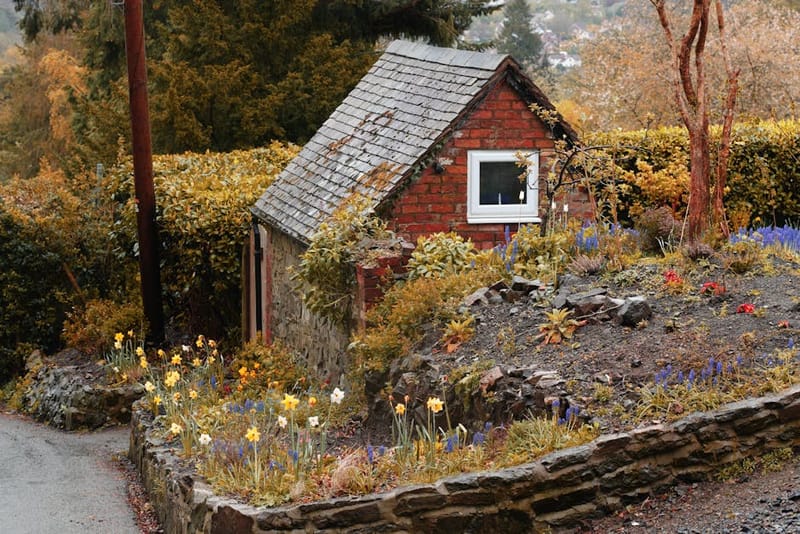
The choice between a self-catering cottage and a dog-friendly hotel sounds like a personal preference question, but it isn't really. It maps cleanly onto trip length, party size, dog temperament, and how much you want to cook on holiday. The numbers and the practical trade-offs tilt one way for a long Lake District week with two dogs, and a different way for a single Cotswolds overnight with one well-socialised spaniel.
This guide unpacks the trade-offs honestly, with worked cost comparisons and the practical signals that tell you which side of the line you're on.
How do the costs actually compare?
The headline daily rate is misleading. Hotels charge per night plus a per-dog supplement (typically £10-25 per dog per night across UK chains). Cottages charge a weekly block rate plus a one-off pet fee (typically £30-50 per dog for the whole stay). The shape that creates is:
- 1-3 nights, one dog, couple: Hotel usually wins on total spend. A two-night chain hotel stay with a £20-25/night pet supplement and a chain-restaurant dinner can come in £100-150 cheaper than a cottage minimum-stay block.
- 4-7 nights, one or two dogs, couple or family: Cottage wins decisively. The weekly rate amortises, the one-off pet fee is paid once, and self-catering breakfasts and dinners offset the rate gap.
- 14+ nights, any party size: Cottage by a wide margin. Hotels rarely do extended-stay discounts; cottages do (Sykes Cottages, Holiday Cottages and similar list 10-15% off third-week bookings in low season).
The other cost dimension is the food-and-drink uplift. Hotel breakfast for two at £15-25 per head adds up fast across a week. A cottage with a usable kitchen lets you front-load a supermarket shop and only eat out for highlight meals.
What does a cottage give you that a hotel can't?
Five things, and they're the ones that matter most when you actually arrive somewhere with a tired dog after a long drive:
- A private garden. Enclosed or not, having any outside space attached to your front door is transformative. Toilet breaks become opening a door rather than putting on a coat and a lead at 11pm. Our Lake District cottages with enclosed gardens guide picks out specifically-enclosed options.
- No shared corridors. Reactive dogs, dogs that bark at strangers passing the door, and dogs that get overstimulated by hotel smell-loads all do better in a self-contained space. No housekeeping carts, no other dogs walking past, no lift sharing.
- A kitchen. Beyond cost, kitchens let you stick to the dog's regular food routine, serve meals at the right time, and keep dog kibble or BARF supplies cool in the fridge. Hotels rarely accommodate either.
- Multi-dog capacity. Most hotels cap at two dogs per room (some are one-only). Cottages routinely take three or more dogs for the same per-property fee. For breeders, multi-dog families, or dog-sitting friends-of-friends, cottages are usually the only option.
- Living space. Two adults plus a dog in a hotel room sleeping AND working AND watching TV is cramped. A two-bed cottage gives the dog a corner that isn't your bed and you a sofa to actually use.
What do hotels give you that a cottage can't?
Four things, and they're undervalued by cottage advocates:
- Service. Breakfast is cooked. Beds are made. Towels are swapped. After a week of dog-walking holidays in the rain, that's not luxury - it's the only thing that keeps the trip enjoyable past day three. For short stays this matters more than long stays because the setup-and-teardown overhead of a cottage dominates a two-night booking.
- Flexible booking. Hotels routinely take one-night bookings, day-before bookings, and even same-day bookings in low season. Cottages typically have three-night minimums in high season and Friday-to-Friday or Saturday-to-Saturday changeover days that lock you into seven-night blocks.
- Central locations. The Premier Inn at Edinburgh Princes Street is a five-minute walk to the castle. There is no equivalent self-catering cottage. For city breaks, hotels are usually the only sensible option.
- A bar and restaurant on-site. Wet-day evenings without a car are a different proposition when the bar is downstairs versus a 20-minute drive through country lanes to the nearest pub. Pubs with rooms (a hybrid - covered in our pubs with rooms guide) give you both.
When should I pick a cottage?
Pick a cottage if any two of these apply:
- Stay length is 4 nights or more
- You're travelling with two or more dogs
- Your dog is reactive, anxious, or in active training
- The destination is rural (Lake District, Yorkshire Dales, Highlands, Pembrokeshire, the Cotswolds) where the food scene is pub-based rather than restaurant-based
- You want a base for outdoor activities (walks, paddleboarding, sea swims) where a private garden makes drying off and warming up easier
- You're travelling with a puppy under six months or a senior dog with mobility limits
Regions where cottages are the stronger option: the Lake District, Cornwall, Devon, Dorset, the Yorkshire Dales, Wales, and the Scottish Highlands.
When should I pick a hotel?
Pick a hotel if any one of these applies:
- Stay is 1-3 nights only
- You're using the night as a road-trip stopover or breakfast-and-go base
- The destination is a city (Edinburgh, London, York, Bath, Bristol, Manchester)
- You don't want to cook
- You're travelling alone with one dog and want company at the bar in the evening
- The dog is well-socialised in shared spaces and lifts
UK chain hotels worth checking: Premier Inn and Travelodge are the two major chains running dog-friendly programmes (Travelodge has a wider footprint of dog-friendly hotels; Premier Inn's is smaller and more selective). Both charge a per-dog nightly fee and cap at two dogs per room. Holiday Inn pet policy varies by location. Independent boutique hotels are often more dog-welcoming than chain hotels but charge a higher base rate.
Are there special cases that override the defaults?
Yes, three:
- Multi-dog families (3+ dogs). Cottages are essentially the only option. The few hotels that accept three dogs per room charge per-dog supplements that make cottages cheaper at any stay length.
- Working dogs or assistance dogs. Both hotels and cottages must accept assistance dogs free of charge (this is an Equality Act 2010 protection, not a pet policy). For working gundogs or service dogs in training, cottages let you build the routine your trainer recommends; hotels rarely do.
- Senior dogs with night-time accidents. Cottages with washable hard floors (a feature most coastal and Lake District cottages publish in their listing) are vastly better than hotels with carpeted rooms. Damage deposit losses on a hotel carpet are easily £200+ if a senior dog has an overnight accident.
Which booking platforms have the best dog filters?
For cottages: Sykes Cottages, Holiday Cottages, Cottages.com and Hoseasons all have a 'pets welcome' filter. Sykes Cottages also lets you filter by 'enclosed garden' and 'large dogs welcome' separately - the most useful filter set in the UK market. Property descriptions usually note whether the cottage owner has dogs themselves (useful signal for actual welcome vs grudging acceptance).
For hotels: Booking.com's pet filter is reliable but you still want to read the property's pet section to confirm size and breed restrictions. Expedia and Hotels.com pull from similar inventory. Chain hotels are best booked direct - Premier Inn's website confirms which specific rooms are pet-friendly at booking time, which Booking.com doesn't always surface.
Frequently asked questions
Are cottages cheaper than hotels for a UK dog-friendly week?
Can I take three or more dogs to a cottage?
Do dog-friendly hotels actually let dogs into the bar and restaurant?
Is the cottage damage deposit refunded if my dog scratches a floor?
Can I get a cottage for one night only?
Best UK Dog-Friendly Pubs with Rooms
Top 10 Pet-Friendly Lake District Cottages