Dog-Friendly London: The Complete City Guide for 2026
London is one of Europe's most dog-friendly capitals — eight Royal Parks, Hampstead Heath, the South Bank walk, and dog-welcoming pubs everywhere.
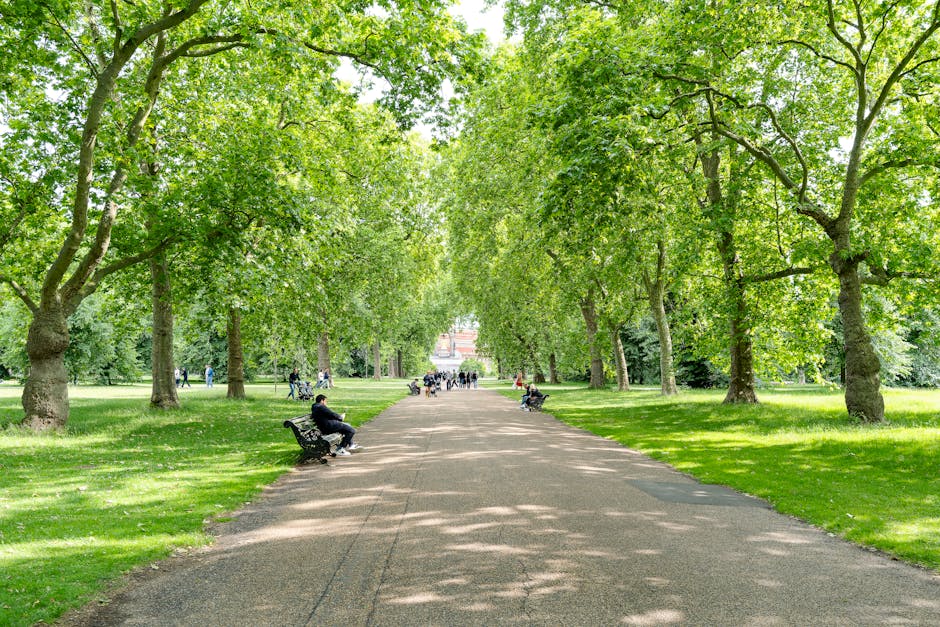
London handles dogs better than its size suggests. The eight Royal Parks add up to over 5,000 acres of central-and-suburban green space — Hyde Park, Kensington Gardens, The Regent's Park, St James's Park, Green Park, Greenwich Park, Richmond Park, and Bushy Park — and dogs are welcome in all of them with a few small fenced-garden exceptions. Transport for London carries dogs free on every service (Tube, Overground, Elizabeth line, DLR, buses, trams) provided they're on a lead or in a carrier. And London's pubs — the densest urban pub network in the UK — are overwhelmingly dog-welcoming in bar areas, with growing numbers offering dog menus, water bowls, and treats.
This guide walks through the transport rules first (because that's what determines whether you can take a dog out at all), then covers the parks, the city walks, where to stay, and the etiquette that keeps London's dog-welcoming reputation intact.
Can I take a dog on the London Underground?
Yes — free, on every TfL service, with simple rules
Dogs travel free on every TfL service: London Underground (the Tube), London Overground, Elizabeth line, Docklands Light Railway (DLR), buses, trams, and TfL-operated river services. There is no ticket needed, no muzzle requirement, and no breed restriction. The rules sit in the TfL Conditions of Carriage:
- On a lead or in a carrier at all times. Dogs may not sit on seats — they should be on the floor between the seats, or in your lap if small.
- Escalators are the one tricky bit. You must carry the dog on escalators (paws on metal moving steps risk getting caught). For large dogs that can't be carried, TfL staff at most stations will stop the escalator outside peak hours so you can walk the dog up the stationary stairs. At peak times, look for lift access — Hammersmith, King's Cross, Stratford and most newer stations have lifts; older Central London stations often don't.
- Assistance dogs have unconditional access, including on escalators while in motion.
- Staff discretion to refuse applies if a dog seems dangerous or out of control. In 20+ years of TfL records, refusals on a well-behaved dog are vanishingly rare.
Practical tips: avoid peak (07:00–09:30 and 17:00–19:00 on weekdays) where you can — carriages are crowded and a stressed dog has nowhere to go. The Elizabeth line and newer Overground services have much more space per carriage than the Tube and are a better choice for a longer cross-London hop with a medium-to-large dog. National Rail services (Southern, Thameslink, Great Western) have similar policies but check individual operators — most are dog-friendly with no ticket required.
Which Royal Parks allow off-lead dogs?
All eight, with small fenced-garden exceptions
The Royal Parks (the eight historic Crown-owned parks managed by The Royal Parks charity since 2017) all permit off-lead dogs across the bulk of their grounds, with the exceptions and seasonal restrictions noted below. The park regulations require dogs to be under effective control at all times — voice command sufficient to recall in seconds — and on lead in fenced sub-gardens and around children's playgrounds.
Hyde Park and Kensington Gardens
Hyde Park (350 acres, central London) and Kensington Gardens (270 acres, contiguous to the west) function as one continuous green space if you ignore the road. Dogs are off-lead throughout, except in the Italian Gardens at the north end, the Princess Diana Memorial Garden, and around the Serpentine boating area. The Serpentine itself allows dogs to swim from the south bank away from the lido. Hyde Park dog-walking volume peaks early morning (06:00–08:30) when locals run the dogs before work; central afternoon is calmest.
The Regent's Park and Primrose Hill
Regent's Park (410 acres, NW1) allows off-lead dogs across the open lawns, the Outer Circle perimeter, and most of the boating-lake margins. The Royal Parks lists the exceptions: the Avenue Gardens, English Gardens, Queen Mary's Gardens, St. John's Lodge Garden, and the immediate boating-lake edge all require dogs on lead. Primrose Hill (62 acres, immediately north of the park) is unrestricted off-lead — its 213-foot summit offers one of central London's best skyline views.
Greenwich Park
Greenwich Park (183 acres, SE10) is off-lead across the open lawns and grassland with three exceptions: the Flower Garden, the Wilderness Deer Paddock, and the Royal Observatory Garden all require dogs on lead. The view from the Royal Observatory across the river to Canary Wharf is the standout reason to visit — accessible to dogs on a short lead.
St James's Park and Green Park
St James's Park (57 acres, SW1, adjacent to Buckingham Palace) and Green Park (47 acres, immediately north-west) are the most central of the Royal Parks. Dogs are off-lead throughout but the sites are smaller, more crowded with tourists, and contain protected wildfowl colonies (pelicans, swans, ducks) — recall control matters. The Mall walk between the two parks and Buckingham Palace gives you the postcard backdrop for free.
When should I avoid Richmond Park and Bushy Park?
Deer-birthing season runs May to August
Richmond Park (2,500 acres, TW10) and Bushy Park (1,100 acres, TW11) are the two largest Royal Parks and the only two that contain free-roaming deer herds (red and fallow deer, around 650 across the two parks). The Royal Parks publishes specific guidance for the deer-birthing season:
- 1 May to 31 July (birthing season). Newborn fawns lie hidden in long grass and bracken for the first few weeks; a dog discovering one will typically be charged by the mother. Owners are strongly advised not to bring dogs into either park during this window. If you must, dogs must be on a short lead at all times and you must stay on marked paths well away from any deer.
- September to October (rutting season). Stags are aggressive toward any perceived threat. Same on-lead rule applies and a 50-metre minimum distance from any deer is enforced by park police. Charges to dog-walkers do occasionally happen and have caused serious injuries.
- Rest of the year (November to April), the parks function more like the other Royal Parks — off-lead with effective recall.
Both parks have excellent alternatives a few stops away on the District line and South Western Railway: Bushy Park is a 5-minute walk from Hampton Wick station; if you want a long off-lead session, take the train one extra stop to Teddington and walk along the Thames towpath instead, which has no deer-related restrictions.
What about Hampstead Heath and the larger open spaces?
London's biggest off-lead destination outside the Royal Parks
Hampstead Heath (790 acres, NW3, managed by the City of London Corporation) is north London's flagship dog-walking destination and arguably London's best big open green space for a dog. It's almost entirely off-lead, has more contiguous unfenced open ground than any single Royal Park, and connects naturally to a chain of dog-welcoming pubs along its edge. Parliament Hill (the southern summit, 322 ft) gives a sweeping view across the City to Canary Wharf, the Shard, and the Thames Estuary.
Other significant green spaces with off-lead access:
- Wimbledon Common and Putney Heath (1,100 acres combined, SW19/SW15) — the southern equivalent of Hampstead, off-lead throughout, with Windmill Way as a popular dog-walker hub.
- Battersea Park (200 acres, SW11) — riverside park near Battersea Power Station, off-lead across the main lawns. Children's zoo and boating lake areas require lead.
- Victoria Park (213 acres, E9) — East London's largest park, off-lead across most of the open ground, with a long boating-lake walk popular for sociable mid-morning dog-walking groups.
- Brockwell Park (125 acres, SE24) — south-east London's largest park, off-lead, with the historic Brockwell Hall and lido on site (dogs not allowed in the lido enclosure).
- Wandsworth Common (175 acres, SW18) — south-west London's main off-lead space, popular with commuting dog-walkers from Clapham Junction.
- Hampstead Garden Suburb and Highgate Wood (70 acres, N6/N10) — smaller but ancient woodland walks; Highgate Wood is City of London-managed and off-lead throughout.
The Thames Path national trail also has a near-continuous riverside walk through central London that's dog-friendly the whole way. The South Bank stretch from Tower Bridge west to Westminster takes about 50 minutes and runs past the Tate Modern, Borough Market, the Globe Theatre, and the London Eye — dogs must be on lead through the busy tourist sections but the path itself is unrestricted.
Where can I take a dog inside London — pubs, cafés, attractions?
Pub culture is overwhelmingly dog-friendly; attractions vary
London's pub scene is unusually friendly to dogs even by UK standards — almost all traditional pubs welcome dogs in bar areas (and increasingly in dining rooms too), and many keep treats and water bowls behind the bar as standard. A working short-list across the central boroughs:
- The Spaniards Inn, Hampstead — 16th-century pub on the edge of the Heath. Historic dog-walker's stop, large garden, dogs throughout.
- The Bull and Last, Highgate — between Hampstead Heath and Waterlow Park. Award-winning gastropub with dog treats and water bowls as standard, and dogs welcome in the bar (smarter dining room is dog-free).
- The Wells Tavern, Hampstead — entire ground floor operates a no-lead policy, dogs roam free.
- The Prince Bonaparte, Notting Hill — Westbourne Grove gastropub, dogs in bar and garden.
- The Porchester, Notting Hill — classic cask-ale pub with a serious dog welcome.
- Andrew Edmunds, Soho — 18th-century townhouse restaurant on Lexington Street, dogs allowed at table.
- The Anchor, Bankside — Thameside historic pub by the Globe, dogs in bar.
- The Mayflower, Rotherhithe — riverside historic pub, dogs welcome throughout.
- The Old Brewery, Greenwich — adjoining the Royal Naval College grounds, dogs in bar and garden.
The two major pub chains operating across London — Fuller's and Young's — both maintain a publicly searchable filter for dog-friendly venues on their websites, and most outlets in central London qualify. Independent pubs vary; if you're unsure, the simplest approach is to message the pub on Instagram with the question — most reply within minutes.
For attractions: dogs are welcome at the Sky Garden (free booking required), the Postal Museum (assistance dogs only inside, pets in courtyard), V&A Museum garden (not interior), Kew Gardens (on lead, designated dog-walking zones — a 3-mile dog-friendly route), and most pub gardens. Major museums (British Museum, National Gallery, Tate Modern, Natural History) admit assistance dogs only. Borough Market is dog-friendly outdoors and in most stalls but check individual vendors for the indoor dining areas.
Where can I stay with a dog in London?
Boutique hotels with serious dog programmes — and budget alternatives
London's hotel scene has been quietly competing on dog amenities for several years now. Three boutique groups stand out:
Kimpton Fitzroy London (Bloomsbury)
The flagship Kimpton in the UK welcomes pets of any size, breed, or weight at no extra charge — a policy genuinely rare in central London. Amenities include a plush pet-bed loaner, food and water bowls, courtesy poop bags, an in-room dog-dining menu created with Marleybones (the British dog-food brand), and access to Paws Galore's five-star dog-walking and daycare service (one-hour walks to all-evening care).
Rosewood London (Holborn)
Rosewood's Canine Package includes a personalised welcome card, comfortable bed, gourmet dog menu, plus access to grooming and walking services. The historic Edwardian building has a quiet, courtyard-centred layout that suits dogs better than most central London hotels.
Ham Yard Hotel (Soho)
Three minutes from Piccadilly Circus, Ham Yard has specially designed pet-friendly rooms with pet beds, treats, and toys included. The hotel's location is ideal for combining Soho dining, Royal Park walks (St James's is 10 minutes south), and West End theatre (most theatres don't admit dogs, so it's a 'dog stays in the room' evening).
Beyond the boutiques
Many of the larger international brands accept dogs in selected rooms (typically a £50–£100 supplement per stay): the Andaz Liverpool Street, Park Plaza Westminster, Hilton London Metropole, and the Pullman St Pancras all have pet programmes. Premier Inn and Travelodge are not dog-friendly chains as a rule — for budget bookings, Airbnb is the realistic alternative. Filter for 'pets allowed' on the search and read host reviews carefully; some apartments in central postcodes (Marylebone, Kensington, Borough) reliably welcome dogs.
How do I get a dog around central London quickly?
The practical day-trip logistics
The combination of compact Tube map and free dog travel means most dog-friendly London day trips work without driving. A few practical patterns:
- Hampstead Heath day — Northern line to Hampstead, walk on the Heath for 90 minutes, lunch at The Wells Tavern or The Spaniards Inn, walk back to Hampstead Heath rail station for the journey home.
- Royal Parks central loop — Park Lane to Hyde Park Corner, walk through Hyde Park and Kensington Gardens to Notting Hill (90 min easy walk), lunch at The Prince Bonaparte, Central line back from Notting Hill Gate.
- South Bank river walk — Tube to Tower Hill, walk west along the South Bank to Westminster (50 min), Tube back from Westminster. Dog on lead through the busy market sections.
- Greenwich and Cutty Sark — Jubilee line or DLR to Cutty Sark, walk through Greenwich market (mostly dog-friendly), up through Greenwich Park to the Observatory, view, walk back down.
- Richmond Park (Nov–Apr only) — South Western Railway to Richmond, walk in via Pembroke Lodge gate, allow 2-3 hours for the park.
For the deer-season months when Richmond is off-limits, Bushy Park's exclusion zone is enforced just as strictly — head instead to the Thames Path between Teddington and Hampton Court (4 km, no deer), or out to Wimbledon Common for an equivalent open-space experience south of the river.