Eurotunnel With a Dog: The Complete 2026 Guide
How to take a dog on LeShuttle (Eurotunnel) in 2026: stay in your car, the £22 pet fee, Pet Reception, exercise areas and the documents you need.
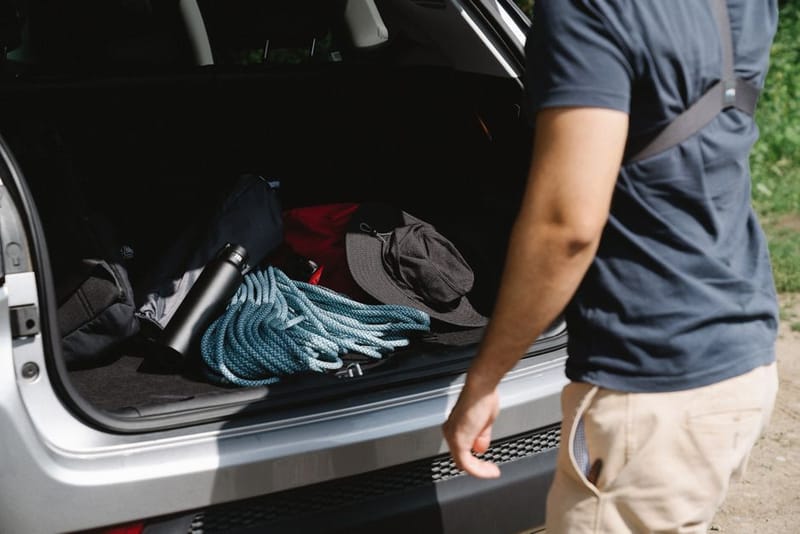
LeShuttle (the car-carrying rail service through the Channel Tunnel, formerly branded Eurotunnel) is the simplest way to take a dog from England to France. Unlike a ferry, you stay in your own car for the entire crossing, so your dog never leaves your side and there is no kennel or pet deck to book. The trip from Folkestone to Calais takes about 35 minutes platform to platform.
This is a practical, step-by-step guide to how it works, what it costs, and the paperwork your dog needs in 2026. If you are still deciding between the tunnel and a boat, read our ferry vs LeShuttle comparison first; for the full document rules, see our UK pet travel to the EU guide.
How does taking a dog on LeShuttle work?
The crossing itself is genuinely straightforward
You book the crossing online and add your dog during the booking (there is a per-pet charge, covered below). On the day, arrive at the terminal at least an hour before your booked departure. At Folkestone you park and walk into the terminal building to check your dog in at Pet Reception; at Calais you follow signs to a dedicated drive-thru Pet Reception. The check-in itself takes only a few minutes and Pet Reception is open 24 hours a day.
After check-in you can use the dedicated exercise area to let your dog stretch and toilet, then you drive onto the shuttle, stay in your car for the roughly 35-minute crossing, and drive straight off the other end. Your dog remains with you throughout, which is the single biggest advantage over a ferry.
What does it cost to take a dog on LeShuttle?
A flat per-pet fee on top of your vehicle fare
The pet fee is £22 per animal each way, added to your standard vehicle fare. Registered assistance and guide dogs travel free with proof of registration. You add and pay for your pet during the online booking, so there is nothing extra to arrange at the terminal beyond the Pet Reception check-in. The much larger cost of an EU trip is the vet paperwork (the Animal Health Certificate is typically the most expensive single item), so budget for that separately.
What documents does your dog need in 2026?
Microchip, rabies, an AHC, and a tapeworm treatment to come home
Travelling from Great Britain to the EU and back, your dog needs four things in place, all confirmed on GOV.UK:
A microchip. Your dog must be microchipped, and the chip must be implanted before or at the same time as the rabies vaccination.
A rabies vaccination. Your dog must be at least 12 weeks old to be vaccinated, and you must wait at least 21 full days after the first vaccination before travelling.
An Animal Health Certificate (AHC). This is the document that replaced the GB pet passport. An official vet issues it within 10 days of your outbound travel; it then covers onward EU travel for four months and the return to Great Britain.
A tapeworm treatment to return. Before coming back to Great Britain, a vet must treat your dog for tapeworm between 24 and 120 hours (1 to 5 days) before you arrive. Miss that window and you cannot legally bring the dog back until it is redone.
What are the pet exercise areas like?
Both terminals have them, so plan a toilet stop
Both Folkestone and Calais have dedicated dog exercise areas near Pet Reception, with poop bags provided. Use them: it is the last reliable chance for your dog to relieve itself before the crossing and the drive that follows. They are fenced grassy areas rather than anything elaborate, but they do the job, and using one just before you board makes the tunnel itself uneventful, which is exactly what you want.
Tips for a smooth crossing
Small things that make a big difference with a nervous dog
Book the return tapeworm appointment first
Line up a vet near your French base who can do the tapeworm treatment inside the 24 to 120 hour window before your return crossing. This is the most common trip-ender, so sort it before you leave home.
Arrive at least an hour early
Pet Reception check-in plus the exercise-area stop takes time. An hour's buffer keeps it relaxed and means a late vet or traffic does not cost you the crossing.
Toilet your dog right before boarding
Use the terminal exercise area as the final stop. The crossing is short, but the drive on either side is not.
Bring water and a familiar blanket
Keep your dog hydrated and give it a familiar-smelling blanket or bed in the footwell or boot to settle on during the crossing.
Check the microchip scans cleanly
Border and vet checks rely on the chip matching the paperwork. Ask your vet to scan it at the AHC appointment so there are no surprises at the border.
Frequently asked questions
Can my dog stay in the car on LeShuttle?
Is LeShuttle better than the ferry for dogs?
How early do I need to arrive with a pet?
Do guide dogs travel free on LeShuttle?
What happens if I miss the tapeworm treatment window?
Ferry vs LeShuttle With a Dog
UK Pet Travel to the EU: 2026 Rules
Dog-Friendly Days Out Near You
Sources: Eurotunnel LeShuttle official pet-travel pages (current at June 2026); GOV.UK 'Bring your pet dog, cat or ferret to Great Britain' guidance. Pet travel rules and fares change - always confirm the current requirements on GOV.UK and LeShuttle before you book.