Dog-Friendly Beaches Wales: The 2026 Complete Guide
Dog-friendly beaches Wales 2026 - Pembrokeshire, Gower, Ceredigion, Llŷn, Anglesey, North Wales coast - year-round vs seasonal rules and where to base.
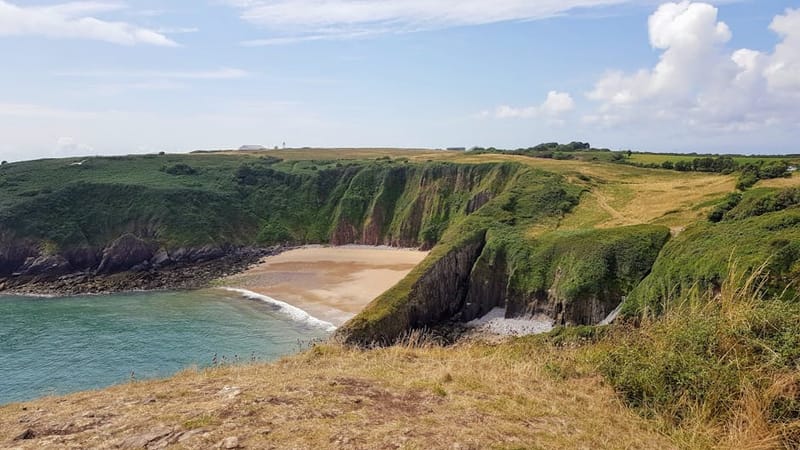
Wales does dog beaches differently to England. The Welsh coast is long (870 miles), well-mapped (the Wales Coast Path is the world's first continuous national coastal trail), and reliably more permissive than the South West for dogs outside the busiest summer months. The trade-off is administrative - every Welsh local authority sets its own seasonal beach rules under PSPOs, so the picture varies between Pembrokeshire, the Gower, and the North Wales councils. Knowing which beaches are year-round vs restricted is the difference between a great Welsh dog holiday and a frustrating one.
This guide walks the Welsh coast region-by-region from south-west clockwise round to north-east, with the practical dog rules at each beach and where they fit into the broader Wales dog-travel picture. Pair with our pet-friendly cottages Wales booking guide for accommodation. Last reviewed: 11 May 2026.
How Welsh beach dog rules actually work
Each local authority sets its own PSPO - there's no Wales-wide rule
The Anti-social Behaviour, Crime and Policing Act 2014 lets local councils create Public Spaces Protection Orders (PSPOs) restricting where and when dogs are allowed on specific beaches. In Wales, the relevant councils are Pembrokeshire, Carmarthenshire, Swansea (Gower), Ceredigion, Gwynedd (Snowdonia coast and Llŷn), the Isle of Anglesey, Conwy, Denbighshire, and Flintshire. Each runs its own PSPO with its own list of restricted beaches and dates.
The most common pattern across the Welsh coast: popular tourist beaches restrict dogs from 1 May to 30 September (sometimes 1 October), often all day, sometimes 10am–6pm only. Year-round dog-welcome beaches are typically the larger, more remote, or surfing-orientated stretches. PSPOs are enforced - fines run to £100 for an on-the-spot fixed penalty, escalating if challenged.
Welsh beach dog rules - the seasonal pattern
- October to end-April
- Almost all Welsh beaches open to dogs without restriction
- 1 May to 30 September (peak season)
- Many popular beaches restrict dogs - all day or 10am–6pm
- Year-round dog-welcome beaches
- Newgale, Freshwater West, Marloes Sands (Pembs); Rhossili, Three Cliffs (Gower); Newborough (Anglesey); Talacre, West Shore Llandudno (North Wales coast)
- Year-round dog-restricted beaches (in season)
- Tenby South Beach, Whitesands (parts), Saundersfoot main, Barafundle (parts), Caswell Bay (in summer 10am–6pm)
- Enforcement
- £100 fixed penalty notice; escalates if challenged
- Authority sources
- Pembrokeshire CC PSPO; Swansea Council PSPO; Anglesey CC PSPO; Conwy CBC PSPO; Gwynedd Council; Ceredigion CC
Why is Pembrokeshire the Welsh dog-beach capital?
The south-west - biggest concentration of year-round beaches
Pembrokeshire is where most UK dog owners head for a beach-led Welsh holiday. The Pembrokeshire Coast National Park covers most of the county's 186-mile coastline, the Wales Coast Path runs through it end to end, and the destination guide for Pembrokeshire covers the broader picture. Beach-by-beach, the year-round dog-welcome stretches are the standouts.
Newgale (year-round)
Two-mile sweep of sand on the St Brides Bay coast. Dogs welcome year-round across the bulk of the beach - surfers, kite-flyers, and dog walkers share the space happily. Easy parking. One of the most reliable Welsh dog beaches.
Freshwater West (year-round)
Vast expansive beach on the south coast. Famous as a Harry Potter and Robin Hood film location. Dogs welcome year-round. Strong tides - read the rip-current signage before letting dogs into the water.
Marloes Sands (year-round)
Remote, dramatic, accessed via a clifftop walk from the National Trust car park. Dogs welcome year-round. Quieter than the headline beaches; better for confident-recall dogs.
Whitesands (mixed)
Iconic St Davids beach. Parts year-round dog-welcome, parts restricted in season. Check signage at the beach entrance - the PSPO line runs across the beach itself.
Barafundle Bay (mixed)
Repeatedly voted UK's best beach. Dogs welcome October–April; restricted on most of the beach 1 May–30 September. National Trust signage at the access path makes the line clear.
Tenby South Beach (restricted in season)
Tenby's main beach is restricted 1 May–30 September. Castle Beach (year-round dog-welcome) is the nearby alternative if you're staying in Tenby.
Tenby Castle Beach (year-round)
Smaller than South Beach but year-round dog-welcome. Backed by Tenby's harbour wall.
Why is the Gower Peninsula the south Wales standout?
Swansea Council manages - generally permissive
The Gower was the UK's first Area of Outstanding Natural Beauty (designated 1956). Beach density per mile of coast is unusually high, and Swansea Council's PSPO is generally more permissive than Pembrokeshire's. Most Gower beaches accept dogs year-round; the seasonal restrictions concentrate on the family-resort beaches at the eastern end.
Rhossili Bay (year-round)
Three-mile sweep at the western tip of the Gower. Repeatedly voted one of the best beaches in Europe. Dogs welcome year-round. Worm's Head accessible at low tide. National Trust car park at the village; second access via Hillend campsite.
Three Cliffs Bay (year-round)
Iconic Gower view from the National Trust path. Dogs welcome year-round on the beach. Best reached on foot via Penmaen - no direct car parking at the beach itself.
Oxwich Bay (year-round)
Long, gentle, family-friendly. Dogs welcome year-round on most of the beach. National Trust car park. Good base for east-Gower beach exploration.
Caswell Bay (restricted in season 10am–6pm)
Small, popular family beach near Mumbles. Dogs restricted 1 May–30 September between 10am and 6pm - early-morning and evening walks are fine in season.
Langland Bay (restricted in season)
Same Mumbles family-resort pattern as Caswell. In-season restrictions apply; check Swansea Council signage.
Llangennith Beach (year-round)
Surfing beach at the north end of Rhossili Bay. Dogs welcome year-round. Hillend campsite as the main access point.
Which dog beaches stand out in Ceredigion and Carmarthenshire?
Smaller beach economy, fewer summer restrictions
Borth (year-round)
Long Ceredigion beach north of Aberystwyth. Dogs welcome year-round across much of it. Sunken-forest fossil remains visible at low tide.
Aberporth (mixed)
Twin-bay village beach. Restrictions on parts in summer; check the Ceredigion CC PSPO signage at the beach.
Llangrannog (mixed)
Small cove village. Beach has summer restrictions on the central section; off-lead walking on the surrounding coast path.
Cefn Sidan (year-round, Carmarthenshire)
Eight-mile beach at Pembrey Country Park. Dogs welcome year-round on the bulk of the beach. Long approach via the park; modest entry fee for non-residents.
New Quay (mixed)
Restrictions on the main town beach in summer. Dolphin-spotting from the harbour is a notable Ceredigion extra.
Which dog beaches stand out on the Llŷn Peninsula and Snowdonia coast?
North-west - surfing beaches and quieter coves
Whistling Sands / Porth Oer (year-round)
Famous for the squeaking sound the sand makes underfoot. Dogs welcome year-round. National Trust car park; steep path down.
Hell's Mouth / Porth Neigwl (year-round)
Four-mile Llŷn surfing beach. Dogs welcome year-round. Strong currents - supervise water-keen dogs carefully.
Aberdaron (mixed)
Llŷn village beach. Some summer restrictions on the village section; surrounding coves typically permissive.
Black Rock Sands / Morfa Bychan (year-round)
Long sandy beach near Porthmadog. Dogs welcome year-round. One of few Welsh beaches where you can drive onto the sand (tide-dependent).
Harlech Beach (mixed)
Long Snowdonia-coast beach below Harlech Castle. Year-round dog access on parts; check the local PSPO map.
Which dog beaches stand out on Anglesey?
Island of beach choice - generally dog-friendly
Newborough Beach (year-round)
Vast Forestry Wales beach on Anglesey's south-west corner. Llanddwyn Island accessible at low tide. Dogs welcome year-round across the whole beach. One of the strongest Welsh dog-walks.
Lligwy Bay (year-round)
Wide sheltered bay on Anglesey's east coast. Dogs welcome year-round. Easy parking.
Red Wharf Bay (year-round)
Huge tidal bay - at low tide, miles of sand. Year-round dog welcome. The Ship Inn (Trearddur) and the Old Boathouse at the head of the bay are both dog-friendly.
Aberffraw (year-round)
Quieter west-coast Anglesey beach. Dogs welcome year-round. Good for confident-recall dogs.
Trearddur Bay (mixed)
More restrictions in summer than the rural Anglesey beaches; check signage.
Which dog beaches stand out on the North Wales coast (Conwy, Denbighshire, Flintshire)?
Family-resort beaches with regional variation
Talacre (year-round, Flintshire)
Sand dunes and the Point of Ayr lighthouse. Dogs welcome year-round on the bulk of the beach. Good seal-watching territory in autumn - keep dogs well back from seal haul-outs.
West Shore Llandudno (year-round)
The west-facing Llandudno beach. Dogs welcome year-round. Distinct from North Shore Llandudno (the family beach), which is restricted in season.
North Shore Llandudno (restricted in season)
The classic Victorian seaside promenade beach. Dog restrictions apply 1 May–30 September.
Penmaenmawr (mixed)
Conwy coast - check signage; parts year-round, parts restricted.
Prestatyn (restricted in season)
Family-resort beach. In-season restrictions; off-season dog walking is unconstrained.
What practicalities are specific to Welsh beaches?
Tides, cliffs, coast path lead rules, and livestock
Tide timetables - many Welsh beaches are tidal
Llanddwyn Island, Worm's Head, Whitesands tidal sections - getting cut off is a real risk. Carry a tide table or use the BBC Weather tide app. Plan walks around predicted high water.
Coast Path lead rules near livestock
The Wales Coast Path crosses active sheep ground throughout. The 1953 Dogs (Protection of Livestock) Act applies - lead-only around sheep, year-round, with extra rigour during lambing March–May. Local farmers take this seriously, particularly in Pembrokeshire and the Llŷn.
Cliff safety
Welsh sea cliffs are dramatic and the path runs close to the edge in places (particularly Pembrokeshire and the Llŷn). Long-line training leads are sensible for dogs with anything less than reliable recall - gulls and wind can override training near the edge.
Tick prevention
Welsh coastal grass, bracken, and moorland are tick habitats. Vet-prescribed prophylactic treatment for the trip; check the dog thoroughly after every walk. Lyme disease is present in Welsh wildlife - worth being meticulous.
Seasonal jellyfish and weever fish
Lion's mane and compass jellyfish in summer; weever fish in shallow sandy water. Both can sting curious dogs - first-aid awareness saves a vet trip.
Welsh weather changes fast
Atlantic-facing coast - sunshine to driving rain within the hour. Pack dog towels (more than you think), a coat for the dog if winter, and waterproofs for yourself.
Is the Wales Coast Path dog-friendly?
The world's first continuous national coastal trail
Wales was the first country in the world to open a continuous coastal path along its entire perimeter - 870 miles from Chepstow on the Severn Estuary round to Queensferry near Chester. Dogs are welcome throughout on lead. The path links virtually every dog-friendly beach in this guide, plus dog-friendly pubs and villages along the way.
Practical implications for dog holidays: you can build a multi-day walking trip combining beaches, cliffs, and dog-friendly accommodation along any continuous stretch. Pembrokeshire (186 miles), the Llŷn Peninsula (80 miles), and Anglesey (124 miles, separate Isle of Anglesey Coastal Path) are the three most popular sections. The Wales Coast Path Association website has detailed dog-friendly stage planners.
Where should you base yourself for a Welsh dog-beach trip?
Pairing region with cottages and onward links
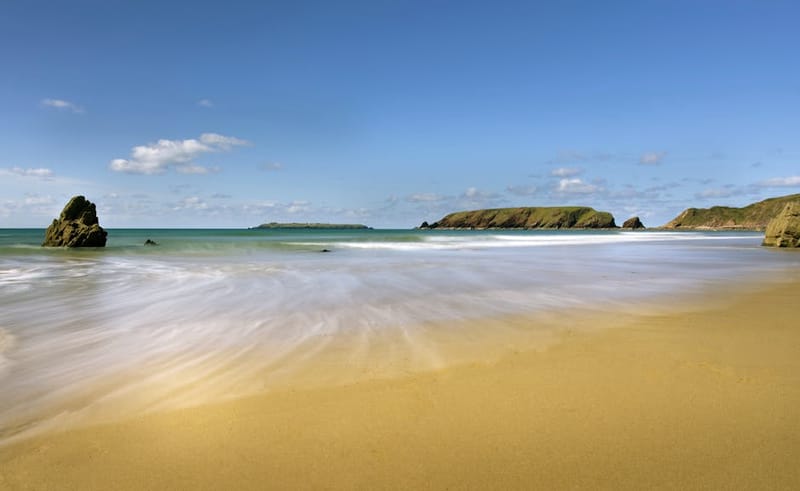
Pembrokeshire base
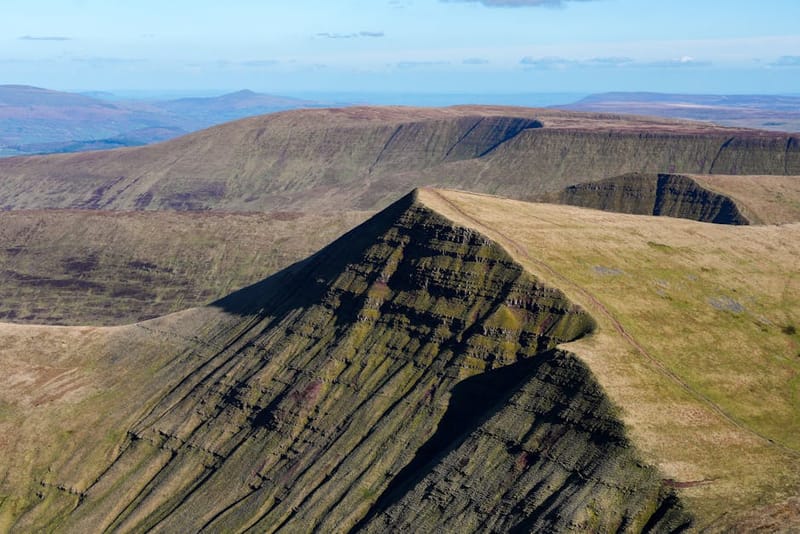
Gower base
Anglesey base

Snowdonia coast base
Frequently asked questions
Which Welsh beaches allow dogs all year round?
Can I take my dog to Barafundle Bay?
Is the Gower better than Pembrokeshire for dog beaches?
Can I take my dog on the Wales Coast Path?
Can I take my XL Bully to a Welsh beach?
Which Welsh beach has the best seal-watching for dog owners?
Are dogs allowed off-lead on Welsh beaches?
What's the best Welsh beach for an off-season dog holiday?
Dog-Friendly Pembrokeshire: Complete 2026 Guide
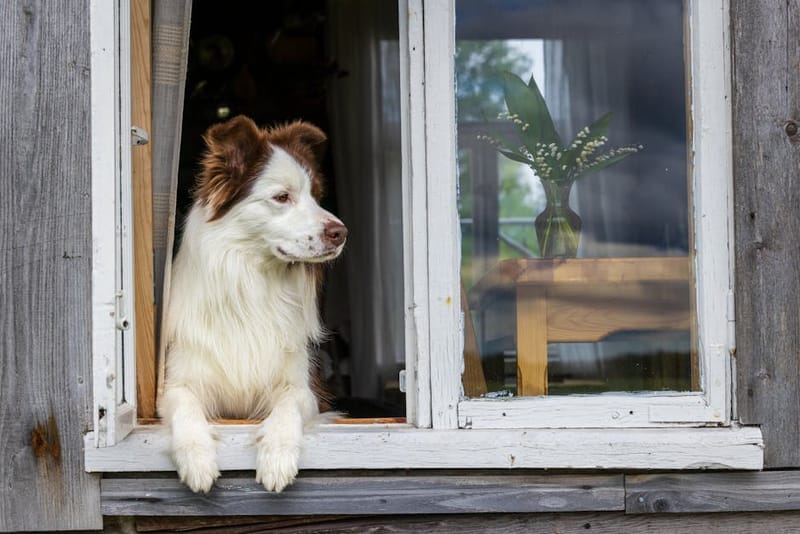
Pet-Friendly Cottages in Wales: Complete Guide
Dog-Friendly Beaches in Cornwall
Best Dog-Friendly Beaches in the UK
Dog-Friendly Llŷn Peninsula
Sources: Pembrokeshire County Council Public Spaces Protection Order; Swansea Council PSPO (Gower); Isle of Anglesey County Council PSPO; Conwy County Borough Council PSPO; Gwynedd Council; Ceredigion County Council; Wales Coast Path Association route information; National Trust beach access notes; Dogs (Protection of Livestock) Act 1953; Dangerous Dogs Act 1991 (XL Bully Exemption Order 2024). Last reviewed 11 May 2026. PSPOs and seasonal rules change - always confirm the current local-authority signage at the beach entrance before letting dogs off lead.