Dog-Friendly Wild Swimming in the UK (2026)
Where dogs can wild swim in the UK - lakes, tarns, rivers and lochs - plus the blue-green algae and water-safety rules every owner needs.
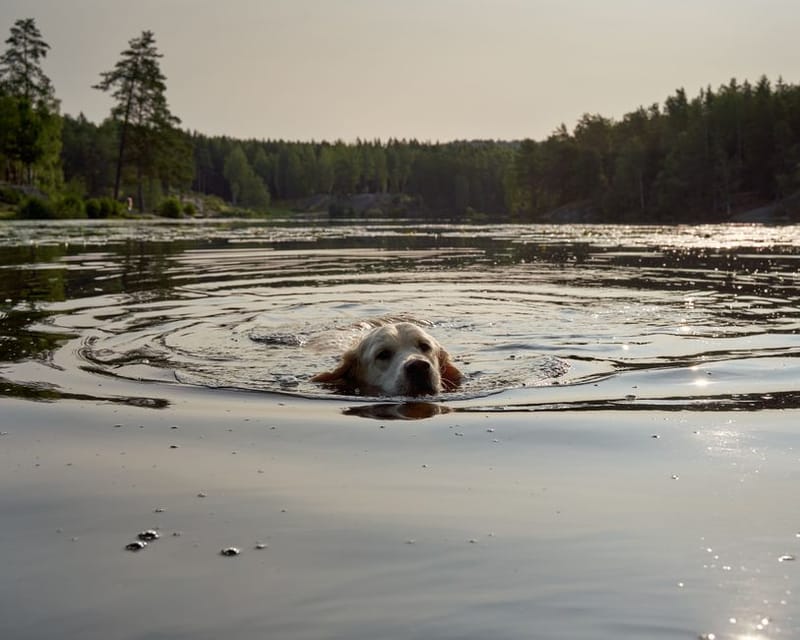
Wild swimming (swimming outdoors in natural water rather than a pool) is one of the great shared joys of dog ownership, and the UK is full of lakes, tarns, rivers and lochs where dogs are welcome to paddle and swim. The catch is that open water carries real risks for dogs - blue-green algae, cold-water shock, currents and waterborne disease - so the best spots are the calm, gently shelving ones, and a little caution goes a long way.
Below are dog-friendly wild swimming spots across the UK, followed by the safety rules every owner should know before letting a dog in. Access and water conditions change, so always check local signage and the current algae situation on the day.
Where can dogs wild swim in the UK?
Calm, shelving spots where dogs are genuinely welcome
LAKE DISTRICT · CUMBRIA
Derwentwater Editor's pick
Calm, shallow shores near Keswick
- First swims
- Nervous swimmers
- Family days
- Type Glacial lake
- Dog access Off-lead in many bays; watch for livestock
- Getting there Lakeside paths from Keswick
- Highlight Shallow shelving entry
What we liked
- Very gentle, shelving entry
- Easy parking and paths from Keswick
- Plenty of dog-friendly cafes nearby
Watch out for
- Popular and busy in summer
- Open water gets cold fast away from the shallows
YORKSHIRE DALES
River Wharfe at Appletreewick
Gentle river pools and rapids
- River swims
- Walk-and-swim days
- Pub finishes
- Type River
- Dog access Off-lead away from the road; recall essential
- Getting there Riverside path near Appletreewick
- Highlight Dog-friendly New Inn nearby
What we liked
- Pools and gentle rapids to choose from
- Dog-friendly pub to finish at
- Beautiful Dales scenery
Watch out for
- Flow rises dangerously after rain
- Stony entry in places - check paws
SNOWDONIA · WALES
Llyn Cwm Bychan
A remote mountain swimming hole
- Wild days
- Confident swimmers
- Quiet escapes
- Type Mountain lake
- Dog access Off-lead; remote, so strong recall needed
- Getting there Afon Artro valley road, then short walk
- Highlight Mountain backdrop
What we liked
- Genuinely wild and quiet
- Clear, clean mountain water
- Stunning Snowdonia setting
Watch out for
- Remote with no facilities
- Cold water year-round
CAIRNGORMS · SCOTLAND
Loch Morlich Best for families
A sandy freshwater beach in the pines
- Sandy entry
- All-day visits
- Beginner swims
- Type Freshwater loch
- Dog access Off-lead on the beach; busy in summer
- Getting there Car parks off the Glenmore road
- Highlight Rare sandy lake beach
What we liked
- Sandy, shallow, easy entry
- Forest walks and parking on site
- Spectacular mountain setting
Watch out for
- Cold mountain meltwater
- Midges on still summer evenings
LONDON
Hampstead Heath Dog Pond
A dedicated dog-swimming pond in the city
- City swims
- Hot-day cool-offs
- Recall practice
- Type Pond
- Dog access Dedicated dog pond on the Highgate side
- Getting there Walk in across the Heath
- Highlight Open dog-swimming all year
What we liked
- A dedicated dog-swimming pond in London
- Acres of Heath to walk around it
- Easy public-transport access
Watch out for
- Murky urban water - rinse afterwards
- Very busy on hot weekends
How do you keep a dog safe wild swimming?
Four risks worth taking seriously
Blue-green algae. Covered above and worth repeating: it is the deadliest and most common hazard. Never let a dog swim in, paddle in or drink water with visible scum, and remember a dog can also be poisoned later by licking algae out of its own coat. When in doubt, stay out.
Leptospirosis (Weil's disease). This bacterial infection spreads through the urine of rats and other animals in rivers, canals and lakes, and can be serious for dogs and people. Keep your dog's leptospirosis vaccination up to date and avoid stagnant water; see the GOV.UK leptospirosis guidance for the human risk.
Cold water and currents. Open water is far colder than it looks, and even strong swimmers tire or panic in cold or moving water. Let a dog wade in gradually, never throw a ball into deep or fast water, and keep swims short. Rivers in spate and tidal estuaries are no place for a dog.
After the swim. Rinse off lake or river water, dry the ears to head off infections, and watch for any sickness, lethargy or wobbliness over the next day - if you see it after a swim, call a vet and mention possible algae exposure.
Scan for algae and warning signs first
No green or blue-green scum, no paint-like swirls, no warning notices. If anything looks off, walk on - it is not worth the risk.
Choose calm, shelving entries
Gently sloping gravel or sand beats a steep drop or fast current, especially for a first swim or a nervous dog.
Keep the leptospirosis vaccination current
It is part of the standard annual dog booster - check yours is up to date before a season of river and lake swims.
Keep swims short and supervised
Cold water tires dogs fast. Let them set the pace, stay within reach, and get them out before they are exhausted.
Rinse, dry and watch
Rinse off the water, dry the ears, and keep an eye out for sickness or lethargy over the next 24 hours.
Get your dog dry quickly once they are out of the water, especially in cooler months. A dog drying coat wraps them up and wicks away water far faster than a towel, which helps a wet dog warm up before the chill sets in.
Frequently asked questions
Is it safe to let my dog swim in a lake?
How do I know if water has blue-green algae?
Can dogs catch anything from river water?
What should I do if my dog drank lake water?
Dog-Friendly Beaches in the UK
Dog-Friendly Lake District Villages
UK Emergency Vets: 24-Hour Guide
Sources: Blue Cross and PDSA guidance on blue-green algae; GOV.UK leptospirosis guidance; Outdoor Swimming Society safety advice; individual site access information (current at June 2026). Water conditions and access change - always check local signage and the current algae situation before letting your dog swim.