UK 24-Hour Emergency Vets 2026: How to Find One Fast
Every UK vet must provide 24-hour emergency care by law. Vets Now, PDSA, RSPCA networks + how to find one while travelling.
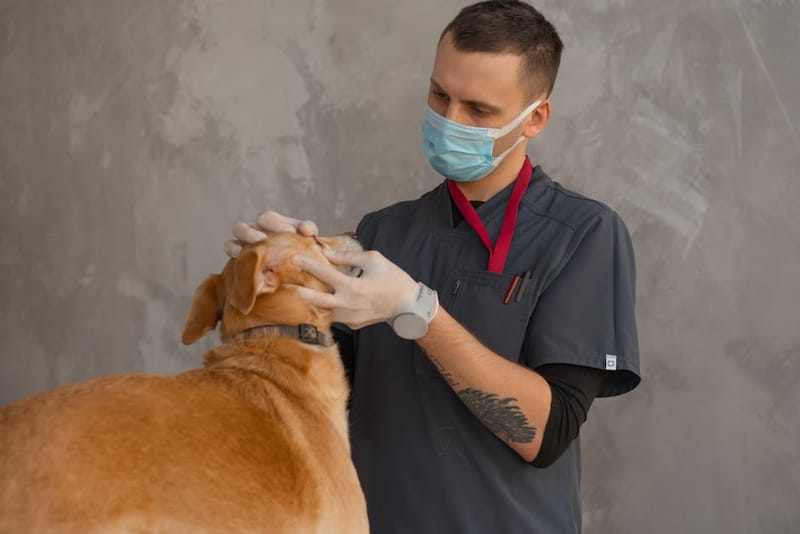
Knowing how to find a 24-hour emergency vet anywhere in the UK is one of the most useful pieces of pet travel preparation. Under Royal College of Veterinary Surgeons (RCVS) rules, every UK veterinary practice must ensure 24-hour emergency care is available - either by staying open, by sharing an out-of-hours rota with neighbouring practices, or by partnering with a commercial out-of-hours service. This guide covers the three main UK emergency-vet networks (Vets Now, PDSA, RSPCA), how to find each from anywhere in the country, and the practical steps to take when you're away from home with a dog and something goes wrong.
What is the UK legal position on emergency vet care?
RCVS rules + practical implications
Per the RCVS Code of Professional Conduct, every UK veterinary practice is required to ensure 24-hour emergency cover for animals registered with them. The practice doesn't have to provide this in-house - most don't - but they must have a documented arrangement with either a partner OOH service or a co-operative rota with nearby practices.
For pet owners, this means three things:
- Your regular vet has an emergency number. Either staffed in-house overnight or routed to a partner service. Find it now and store it in your phone - most owners only realise the gap when something goes wrong.
- You can attend any UK vet for an emergency. You don't have to be registered. Walk-in emergency care is part of the regulatory model. You'll pay the OOH consultation fee at the visit.
- OOH consultation fees are higher than regular fees. A typical OOH consultation at a commercial chain like Vets Now runs £150–£300+ before treatment. Plan for this when travelling.
VETS NOW
Vets Now
The UK's largest commercial out-of-hours network
- After-hours emergencies away from home
- Specialist neurology / oncology referrals
- Late-night urban access
- Out-of-hours clinics 60+ UK locations
- 24/7 hospitals Glasgow + Manchester (+ others)
- PDSA-hosted clinics Many co-located inside PDSA hospitals
- Cost Commercial - £150+ consultation typical
PDSA
PDSA (People's Dispensary for Sick Animals)
The UK's largest pet charity hospital network
- Eligible owners (means-tested)
- Lower-cost routine emergency care
- Urban areas (PDSA hospital sites)
- UK hospitals Nationwide network
- Cost Free / low-cost for eligible owners
- Eligibility Means-tested (specific benefits)
- Locator pdsa.org.uk/near-me
RSPCA
RSPCA Animal Hospitals
Welfare charity with transitioning emergency surface
- Areas where RSPCA hospitals still operate
- Animal welfare cases (cruelty / neglect)
- Current model Transitioning some clinics to PDSA
- Vet finder rspca.org.uk/adviceandwelfare/pets/findavet
- Cost Charity model where available
- Status Reduced direct vet surface in 2026
LOCAL PRACTICE OOH
Local practice out-of-hours services
Independent vets + co-operative rotas
- Rural areas where Vets Now / PDSA don't reach
- Building a relationship with one consistent vet
- Coverage Local + nearby practices via rota
- Cost Variable - call ahead for fee structure
- Access Via regular vet's emergency number
- Rural strength Often the only OOH option
How do I find an emergency vet while travelling?
The practical flow when something goes wrong away from home:
- Call your regular vet first. They can triage by phone, advise whether it's actually an emergency or can wait until morning, and route you to the right local OOH service. This is much more useful than starting cold with an unfamiliar emergency clinic.
- If your regular vet doesn't pick up: their voicemail will usually have the OOH partner number. Note it down before you travel.
- Search Vets Now's locator by postcode - vets-now.com/find-an-emergency-vet/. If you're staying at a cottage or hotel, the host's postcode is the right input.
- Check PDSA's Near Me locator for the nearest pet hospital - particularly useful in larger UK cities where PDSA + Vets Now share a building.
- For rural areas: call the nearest market-town vet practice directly. They'll either help you or route you to the local OOH co-operative rota.
Save these three URLs in your phone before you travel: vets-now.com/find-an-emergency-vet, pdsa.org.uk/near-me, and your regular vet's emergency number. That covers ~95% of UK emergency scenarios.
How much does emergency vet care cost?
Cost expectations for unplanned emergency vet care vary sharply by service type:
- Commercial OOH (Vets Now and similar): Consultation fees typically £150–£300+ before treatment. Diagnostics (X-ray, blood work, imaging) and treatment are charged on top. A weekend night emergency consultation with basic investigation can easily run £400–£800.
- PDSA (for eligible owners): Free or low-cost emergency care once registered, with a voluntary donation suggested. Eligibility is means-tested.
- Local practice OOH: Mid-range - typically £80–£200 consultation, lower than the commercial chains but higher than daytime fees.
- Specialist referral hospitals: If the emergency requires specialist surgery, neurology, or oncology referral, expect £1,500–£5,000+ for surgical cases.
This is the structural argument for pet insurance - even a £1,000 emergency surgical case can be reimbursed at 75–90% with a decent policy. See our UK pet insurance for travel cover comparison.
What counts as a pet emergency?
Breathing difficulty - laboured breathing, gasping, blue-tinged gums. Immediate vet.
Severe trauma - road traffic accident, fall from height, dog fight with bleeding. Immediate vet.
Suspected poisoning - chocolate, raisins, grapes, xylitol, household chemicals, slug pellets. Immediate vet.
Bloat / GDV (large deep-chested breeds: Great Danes, Weimaraners, etc.) - distended abdomen + unproductive retching. Time-critical.
Heatstroke - heavy panting, collapse, bright red gums, vomiting. Immediate vet.
Seizures - first-time seizure, seizure lasting >5 minutes, repeated seizures. Immediate vet.
Inability to urinate - particularly in male cats. Time-critical.
Severe vomiting / diarrhoea - if persistent, with blood, or in young / elderly pets where dehydration is rapid.
Pale or white gums - sign of internal bleeding or shock. Immediate vet.
Frequently asked questions
Are there 24-hour vets in the UK?
How do I find an emergency vet while on holiday?
Does Vets Now cover the whole UK?
Is PDSA emergency care free?
How much does an emergency vet visit cost in the UK?
What should I do if my dog gets sick while staying at a holiday cottage?
Do UK vets accept walk-in emergencies from non-registered owners?

Best UK Pet Insurance for Travel Cover

Pet-Friendly Trains UK

Pet-Friendly UK Ferries