Pet-Friendly Ferries UK: Every Operator's Dog Policy 2026
Brittany, P&O, DFDS, Stena, Irish, Wightlink - each UK ferry operator's dog policy, cabin/kennel options, fees, and the post-Brexit pet-passport rules.
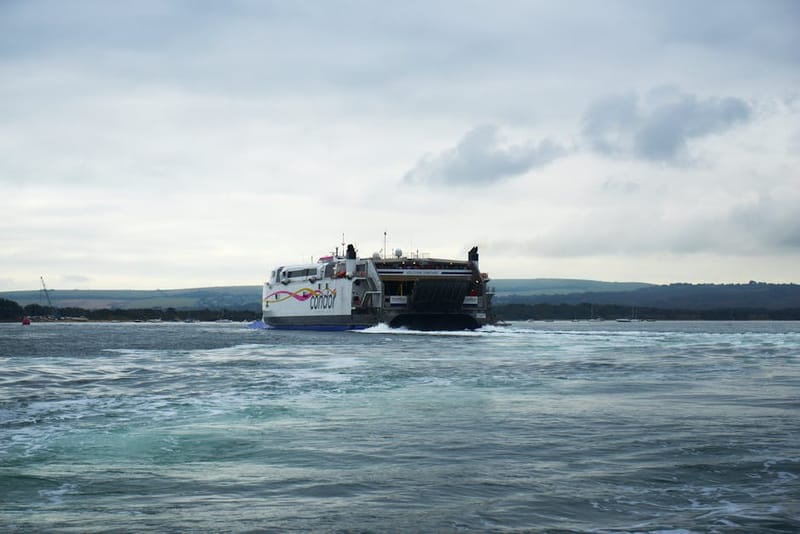
UK ferries are one of the most underrated pet-friendly travel options - every major operator accepts dogs, and the bigger cross-Channel and North-Sea services run dedicated pet-friendly cabins and dog-walking decks. The structure differs sharply by operator and route: Brittany Ferries has the most pet infrastructure, P&O Hull–Rotterdam runs six pet cabins per ship, the Irish Sea services are free for dogs, and short-hops like Wightlink to the Isle of Wight are free with the dog in your vehicle. This guide covers each operator's specific policy plus the post-Brexit pet-passport requirements that apply to every cross-Channel route.
What documents does my dog need for a UK–EU ferry?
Post-Brexit pet-travel paperwork
Since Brexit, the UK pet passport is no longer valid for travel to the EU. UK-resident dogs travelling to the EU now need an Animal Health Certificate (AHC) issued by an Official Veterinarian no more than 10 days before travel. The AHC is valid for entry into the EU, 4 months of EU travel, and re-entry to the UK within that window. The full requirements per gov.uk's pet-travel page:
- Microchip (compulsory for all UK dogs anyway since 2016).
- Rabies vaccination - first vaccination must be at least 21 days before travel; valid for booster periods set by the vet.
- Animal Health Certificate - issued within 10 days of departure from GB; cost typically £150–£250.
- Tapeworm treatment for return to UK - administered by a vet 1–5 days before the return crossing (24–120 hours), recorded in the AHC.
- Designated entry point - return to GB must be via a designated Travellers' Point of Entry (every major ferry route qualifies; airports are more restricted).
For Irish Sea crossings between GB and Northern Ireland or the Republic of Ireland, the requirements are looser - see the per-operator detail below.
BRITTANY FERRIES
Brittany Ferries
France + Spain + Ireland - the most pet-friendly major operator
- UK→France routes
- Long cabin-class crossings
- Pet-friendly cabin + promenade access
- Pet fee (France) from £35 one-way
- Pet fee (Spain) from £50 one-way
- Pet-friendly cabins Yes (multiple ships)
- Onboard kennels Yes (multiple routes)
P&O FERRIES
P&O Ferries
Dover–Calais, Hull–Rotterdam, Liverpool–Dublin
- Quick Dover–Calais hops
- Hull–Rotterdam pet cabins
- Northern Ireland routes
- Pet cabins (Hull–Rotterdam) 6 per ferry
- Pet capacity per cabin 2 small or 1 medium/large
- Cats accepted Dogs only in cabins
- Short Dover–Calais Dogs stay in vehicle
DFDS
DFDS
Cross-Channel + North Sea + Baltic routes
- Dover–Calais / Dunkirk budget hops
- Newcastle–Amsterdam overnight pet cabins
- Newhaven–Dieppe kennel option
- Pet fee (Newcastle–Amsterdam) £30 each way
- Newhaven kennel fee £20 per dog per way
- Pet cabins 5 routes
- Kennels supply bedding? No - bring your own
STENA LINE
Stena Line
Irish Sea (free) + Hook of Holland (Harwich)
- FREE Irish Sea crossings
- Harwich–Hook of Holland with pet cabins
- Multi-pet households
- Irish Sea fee Free for dogs
- DEFRA inspection (Harwich) Possible on Hoek arrival
- Dog-walking area Onboard
- Other pets accepted Yes (cats, rabbits, small mammals)
IRISH FERRIES
Irish Ferries
Irish Sea routes - FREE for dogs
- Dublin–Holyhead with pet cabins
- Rosslare–Pembroke Pet Den
- Republic of Ireland trips
- Pet fee Free on Irish Sea routes
- Dublin–Holyhead Pet-friendly cabins
- Rosslare–Pembroke Dedicated 'Pet Den'
- Kennel booking Required in advance
WIGHTLINK
Wightlink (Isle of Wight)
Day-trip ferries from Portsmouth + Lymington
- Isle of Wight day trips with a dog
- Foot-passenger dog travel
- Quick pet-friendly hops
- Pet fee Free
- Vehicle option Stay in car
- Foot passenger option Pet-friendly outside-deck lounge
- Documentation None required (domestic)
What other UK ferry operators accept dogs?
Beyond the six major operators above, dogs are also welcome on:
- Condor Ferries - Channel Islands routes (Poole, Portsmouth, St Malo to Jersey + Guernsey). Pet fees + kennels available. Useful for Jersey holidays with a dog.
- NorthLink Ferries - Aberdeen to Orkney + Shetland; pet-friendly with cabins.
- CalMac Ferries - Scottish island services (Skye, Mull, Islay, Lewis, etc.). Most are dog-friendly free of charge on short crossings.
- Smaller operators - Red Funnel (Isle of Wight), Hovertravel (Hovercraft to Ryde), Western Ferries (Argyll), and most river/island services in Scotland and Wales accept dogs free for short hops.
For Scottish island travel with a dog, CalMac is the dominant operator and pet-friendly across the network - the West Coast ferry hops are a particularly good experience for dogs since they're short, scenic, and uncrowded.
Practical tips for ferry travel with a dog
Book pet cabins early. The pet cabin inventory is small - 4–6 cabins per ship on the operators that offer them. They sell out for summer departures months ahead.
Bring bedding for kennel bookings. Brittany Ferries supplies basic bedding; DFDS doesn't. Pack a fleece blanket regardless - it's the dog's familiar smell that calms them.
Get the AHC in good time. Animal Health Certificates must be issued within 10 days of travel. Plan the vet visit for 5–7 days before departure to leave room for emergency rebooking.
Tapeworm treatment timing matters. The return-to-UK tapeworm treatment must be administered 1–5 days (24–120 hours) before the ferry. Get it done at a French/Spanish/Irish vet near the port, not at home.
Use the dog-walking decks. On long crossings (Brittany Ferries to Spain, P&O Hull–Rotterdam, Stena Harwich) the dog-walking decks are essential. Identify them on the ship plan before boarding.
Short Channel crossings: stay in the car. Dover–Calais (90 min) and Dover–Dunkirk (2hr) don't allow vehicle-deck access during the crossing, but the duration is short enough that water + a final pre-boarding walk is sufficient.
For Irish Sea: book the kennel even though it's free. Stena and Irish Ferries' Irish Sea kennels are free but capacity is limited - book at the same time as the foot/vehicle ticket.
Frequently asked questions
Which UK ferry operator is the most pet-friendly?
Do I need a pet passport for UK ferries to France?
Are dogs free on Irish Sea ferries?
Can dogs travel in cabins on P&O Ferries?
How much does it cost to take a dog on Brittany Ferries?
Can I take my dog on the Isle of Wight ferry?
What if my dog gets seasick on the ferry?

Pet-Friendly Trains UK

Dogs on London Transport

Best UK Pet-Friendly Hotel Chains