Dog First Aid for Travellers: A UK Guide (2026)
Dog first aid for trips: what to pack, how to handle heatstroke, cuts and choking, the signs of a real emergency, and why human painkillers are never safe.
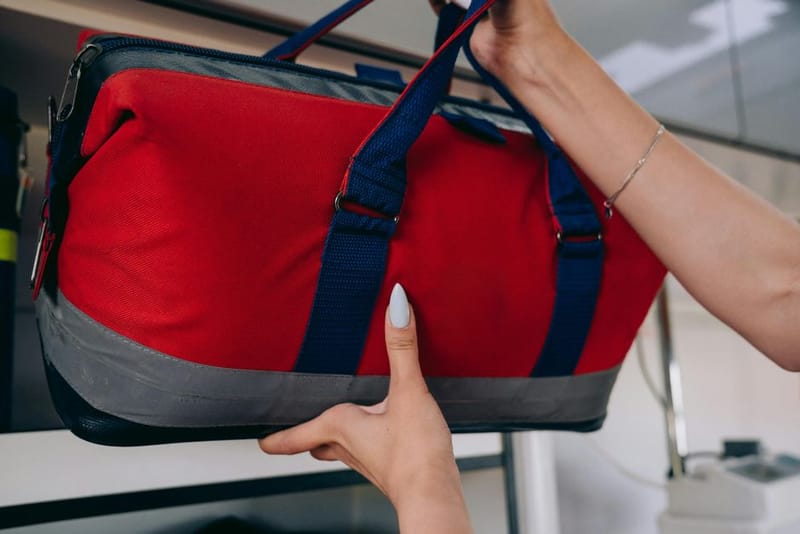
First aid matters more when you are travelling, because you are away from your own vet and may not know where the nearest emergency clinic is. The goal of dog first aid is simple: keep your dog stable, prevent things getting worse, and get professional help. It is never a replacement for veterinary care - it is what you do in the minutes before you reach a vet.
This guide covers the kit to pack, the emergencies most likely to happen on a trip, and how to tell a true emergency from something that can wait. Before any long journey, look up the nearest out-of-hours vet to your destination and save the number; our UK emergency vets guide explains how 24-hour cover works.
What should be in a dog travel first aid kit?
Build one, keep it in the car, check it before each trip
Bandages, gauze and dressings
Self-adhesive (cohesive) bandage, sterile gauze pads and a roll of cotton bandage for covering wounds and applying pressure.
Blunt-ended scissors and tweezers
For trimming bandages and fur around a wound, and for removing splinters or grass seeds.
Antiseptic and saline
Pet-safe antiseptic wipes or solution and a small bottle of saline for flushing eyes, paws and grazes.
A tick remover
A tick hook or fine tweezers to remove ticks cleanly - essential for countryside and coastal trips.
Disposable gloves and a foil blanket
Gloves to keep wounds clean, and a foil blanket for shock or cold after a soaking.
Your paperwork and numbers
Your vet's number, the nearest emergency vet to your destination, your dog's microchip number and any insurance details.
How do you treat heatstroke in a dog?
The single most common - and most dangerous - travel emergency
Heatstroke is the emergency most likely to strike on a trip, especially in a warm car or on a hot walk, and it can be fatal within minutes. The warning signs are heavy panting, drooling, bright red or purple gums, vomiting, wobbliness or collapse. Flat-faced breeds, older and overweight dogs are at the highest risk.
If you suspect heatstroke, act immediately: move the dog to shade with moving air, pour or sponge cool but not ice-cold water over its body (ice and very cold water can cause shock), offer small sips of water, and get to a vet straight away. According to the Royal Veterinary College, active cooling before you reach the clinic significantly improves a dog's chances of survival, so start cooling on the way rather than waiting. Never leave a dog in a parked car, even briefly, and read our hot-weather dog travel guide for prevention.
What about cuts, bleeding and paw injuries?
Common on walks, usually manageable on the spot
Cut pads and grazes are the everyday injuries of an active dog away from home. For minor bleeding, flush the wound with saline, then cover it with a clean gauze pad and a light bandage. For heavier bleeding, apply firm, steady pressure with a clean towel or gauze and keep it there - do not keep lifting to check - and head for a vet if the bleeding does not slow within a few minutes or the wound is deep or gaping.
Watch for grass seeds working into paws, ears and eyes on summer walks, and for limping that does not settle. A bandaged paw should be kept dry; if your dog chews at a dressing, it usually means it is too tight or the wound needs a vet.
How do you know when it is a real emergency?
When to stop first aid and get to a vet now
Some signs mean you should stop and get to a vet immediately rather than managing things yourself. Call the nearest emergency vet straight away if your dog has difficulty breathing, pale, blue or very red gums, collapses or cannot stand, has a seizure lasting more than five minutes or several in a row, has a hard, swollen abdomen (a sign of bloat, which is rapidly fatal), has eaten something toxic, is bleeding heavily, or cannot pass urine.
In the UK, every veterinary practice is required to ensure 24-hour emergency cover is available, so there is always someone to call. Phone ahead so the clinic is ready for you, and if you are away from home use our emergency vets guide to find out-of-hours care near your destination.
Before you travel
Five minutes of prep that pays off in an emergency
Find the nearest emergency vet to your destination
Look it up and save the number before you leave. In a real emergency you will not want to be searching on a patchy signal.
Check your dog's microchip details are current
If your dog bolts after a fright or accident, an up-to-date chip is what gets it home. Update the registered address and phone number before a trip.
Pack the kit where you can reach it
Keep the first aid kit in the car, not buried in a suitcase, and check the contents and any in-date medications before each trip.
Know your dog's normal
Knowing your dog's usual gum colour, breathing and energy makes it far easier to spot when something is wrong.
Consider a pet first aid course
Charities and trainers run short pet first aid courses; a couple of hours of hands-on practice is worth more than any article when it counts.
Frequently asked questions
Can I give my dog paracetamol or ibuprofen?
What is the first thing to do in a dog emergency?
How do I cool a dog with heatstroke?
Is a dog first aid course worth it?
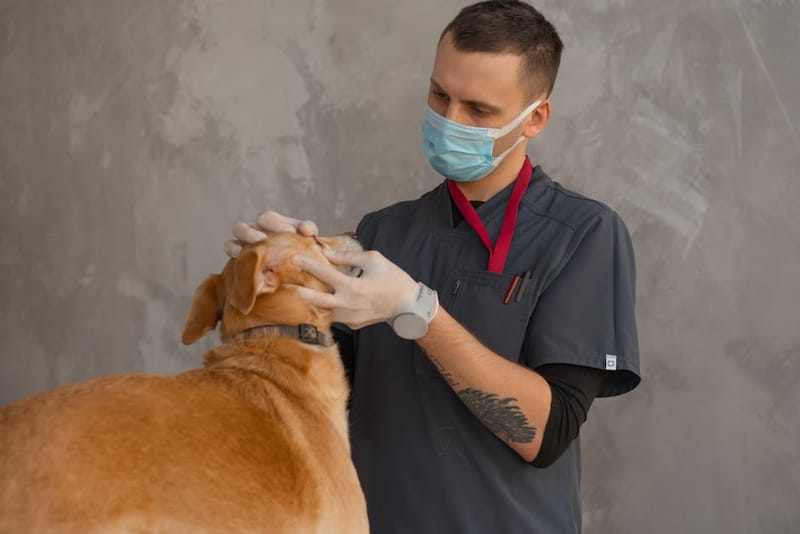
UK Emergency Vets: 24-Hour Guide
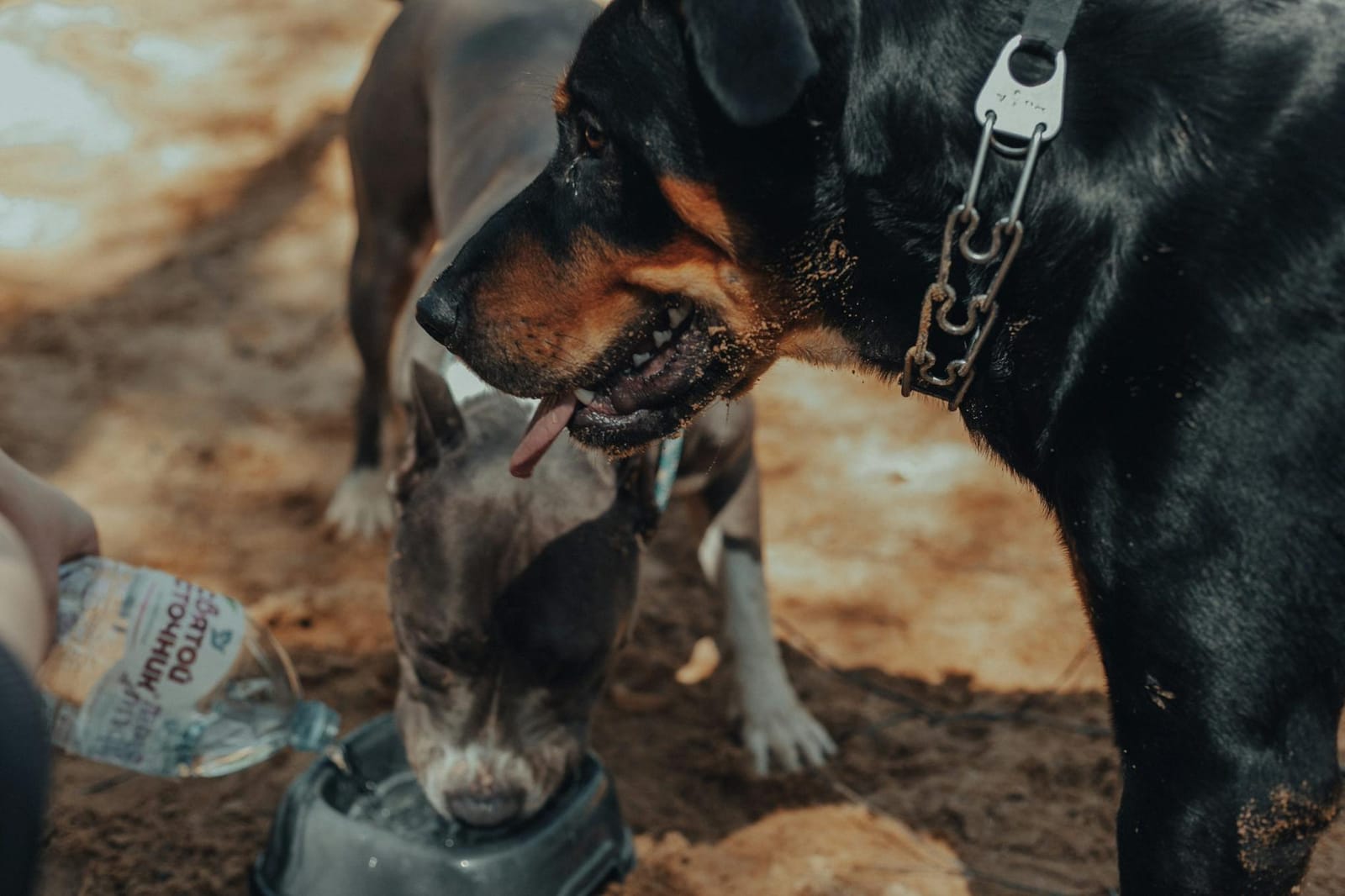
Hot-Weather Dog Travel
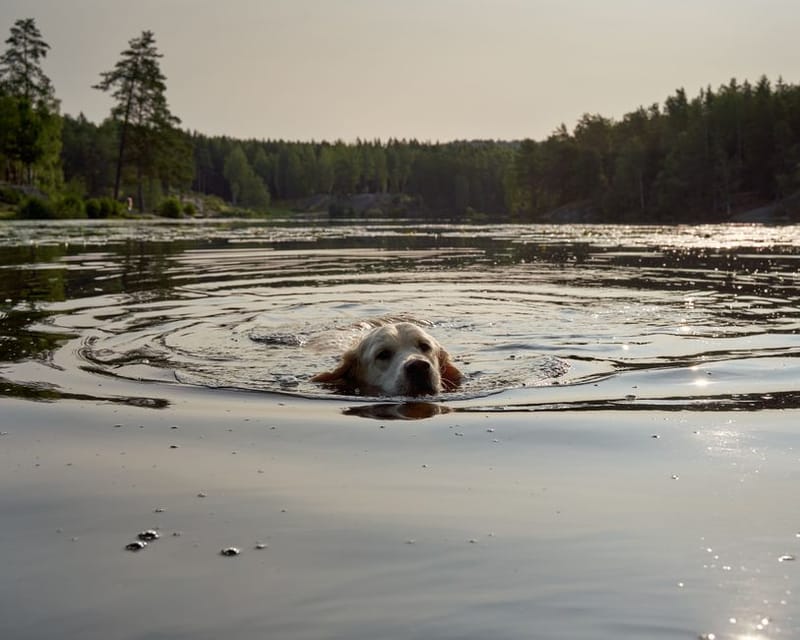
Dog-Friendly Wild Swimming
Sources: Blue Cross, PDSA and RSPCA first-aid guidance; Royal Veterinary College heatstroke fact file; Vets Now and RCVS emergency-care advice (current at June 2026). This is general guidance, not veterinary advice - in any emergency, contact a vet immediately.