Travelling With a Dog in Hot Weather: UK Guide
How to travel safely with a dog in hot weather: heatstroke signs, the cool-first first aid rule, UK hot-car law, the pavement test and keeping dogs cool.
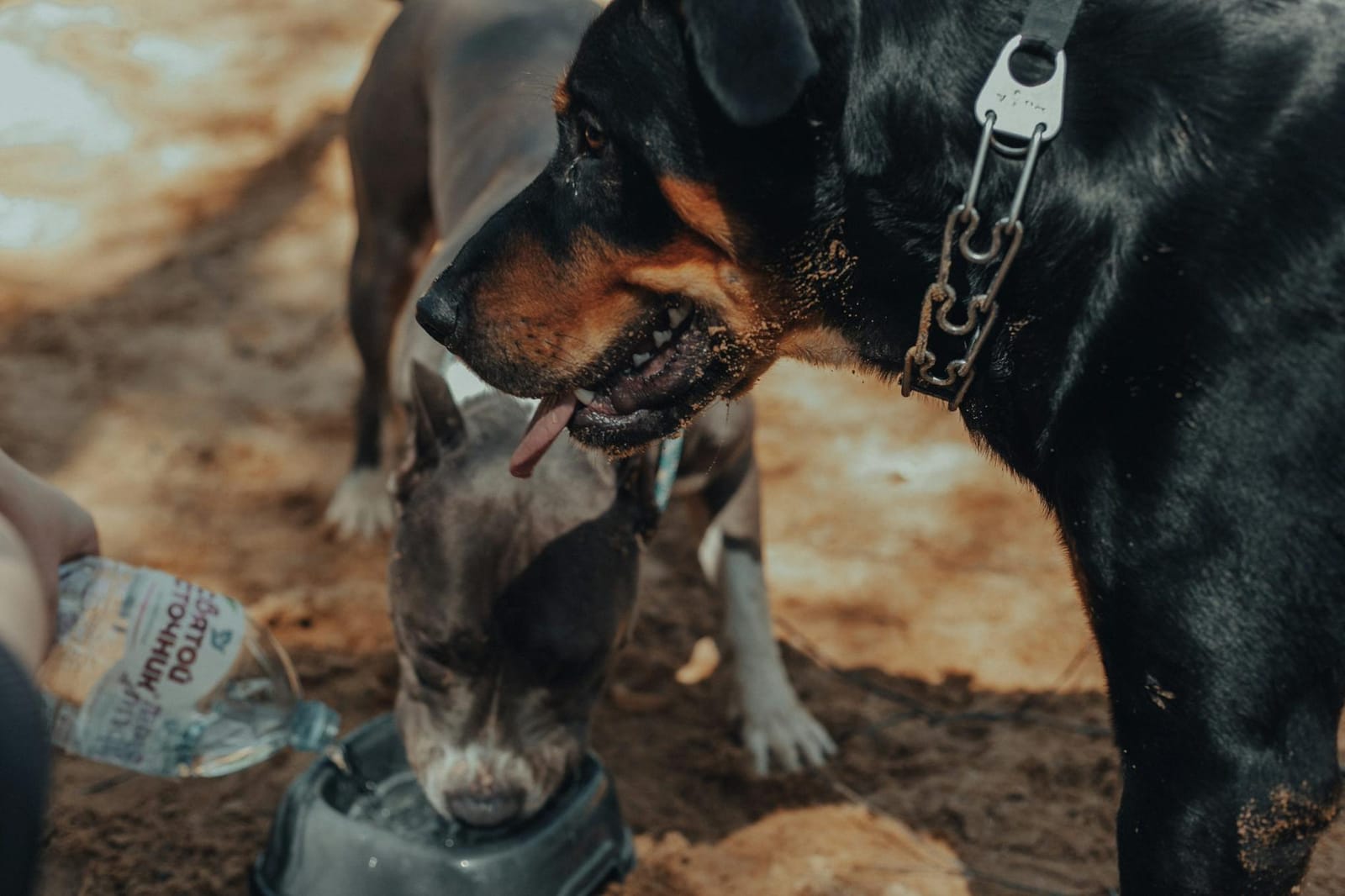
Hot weather is the most dangerous time of year to travel with a dog, and heatstroke can kill within minutes. The good news is that almost every case is preventable. Travel in the cool of the day, never leave a dog in a parked car, learn the early warning signs, and know the first-aid that doubles a dog's survival chances. This guide pulls together the veterinary and legal guidance every UK dog owner should know before a hot-weather journey, from the pavement test to what to do if you find a dog locked in a car.
Is it safe to travel with a dog in hot weather?
It can be, with care, but hot weather sharply raises the risk and the margin for error is small. Dogs cannot sweat to cool down the way people do; they rely mainly on panting, which becomes far less effective in a hot, stuffy car or on a sun-baked walk. A journey that is routine in spring can become dangerous on a summer afternoon.
The safest approach is to travel in the coolest parts of the day, keep the car well ventilated or air-conditioned, and break the journey often for water and shade. If the forecast is for real heat, consider whether the trip is necessary at all that day. As the Royal Veterinary College notes, heatstroke is a medical emergency, and prevention is far easier than treatment.
What are the signs of heatstroke in dogs?
Heatstroke can escalate fast, so learn to spot it early. The first signs are easy to miss, and a dog can deteriorate from mild distress to collapse in a short time. Watch for:
Heavy, frantic panting and drooling
The earliest and most common sign. Panting that does not settle, or thick ropey saliva, means your dog is struggling to cool down.
Bright red gums and a rapid pulse
The body is working hard to shed heat. Gums may look redder than usual and the heartbeat races.
Weakness, wobbliness or confusion
A dog that seems disoriented, stumbles, or lags behind is in trouble and needs cooling immediately.
Vomiting or diarrhoea
Sometimes with blood in more severe cases. A clear sign the situation is serious.
Collapse or seizures
Advanced heatstroke. This is a life-threatening emergency; cool the dog and get to a vet at once.
Which dogs are most at risk?
Any dog can suffer heatstroke, but some are far more vulnerable. Flat-faced, or brachycephalic, breeds top the list because their shortened airways make panting much less effective. UK veterinary research from the Royal Veterinary College's VetCompass programme found British Bulldogs are around fourteen times more likely to develop heatstroke than Labradors, and Pugs around six times more likely.
Other high-risk dogs include the overweight, the very old and the very young, thick-coated northern breeds, and any dog with heart or breathing problems. Exercise, not just hot cars, is a major trigger, so on warm days these dogs in particular should be walked gently and only in the cool. When in doubt, do not go out.
What should you do if your dog has heatstroke?
UK vets now follow a simple rule: cool first, transport second. Cooling a dog before you set off for the vet has been shown to raise survival rates dramatically, so do not waste time driving while your dog overheats in the car. Act on the spot, then call ahead to your vet.
Move to shade and stop exercise
Get your dog out of the sun and out of any hot car immediately, into shade or a cool, airy space.
Pour cool water over the whole body
Douse your dog with cool water, soaking the coat all over. Contrary to old advice, cool water does not cause shock in an overheating dog and is vital to recovery. Avoid draping wet towels over the dog, which can trap heat; place them underneath instead and re-wet often.
Offer small drinks of cool water
Let your dog drink cool water if it wants to, but do not force it. Small, frequent sips are better than a large amount at once.
Keep air moving
Use a breeze, a fan or an open window to help evaporation carry heat away while you cool the body.
Get to a vet, cooling on the way
Call your vet to say you are coming, then travel with the air conditioning on or windows open, keeping your dog damp. Even a dog that seems to recover needs checking, as heatstroke can cause delayed internal damage.
What does UK law say about dogs in hot cars?
Leaving a dog alone in a parked car is the single most dangerous hot-weather mistake. The RSPCA warns that when it is 22 degrees outside, the inside of a car can reach a deadly 47 degrees within an hour, even with the windows cracked and parked in shade.
It is not in itself illegal to leave a dog in a car, but if the dog suffers or dies as a result, you can be prosecuted for causing unnecessary suffering under the Animal Welfare Act 2006, which carries a sentence of up to 51 weeks in prison and an unlimited fine. The simple rule is the one the campaigns repeat every summer: dogs die in hot cars, so never leave one inside, not even for a few minutes.
If you find a dog in distress in a locked car, dial 999. The police have powers the RSPCA does not. If you decide the situation is so urgent that you must break in, tell the police first and be ready to justify your actions, as you would otherwise risk a criminal-damage charge.
How do you keep a dog cool when travelling?
Travel in the cool hours
Drive and walk early in the morning or late in the evening. Avoid the hottest part of the day, roughly 11am to 3pm, altogether.
Never leave a dog in a parked car
Not for a minute, not with the windows down, not in the shade. If you cannot take your dog with you, leave it at home.
Carry plenty of water
Bring more water than you think you need and a travel bowl, and offer it at every stop. Dehydration sets in fast in the heat.
Use air conditioning or good airflow
Keep the car cool and well ventilated. A sunshade on the windows helps, and a cool mat in the boot gives your dog somewhere to lie.
Do the pavement test
Press the back of your hand to the pavement for five to seven seconds. If it is too hot to hold, it is too hot for your dog's paws, so walk on grass or wait for it to cool.
Plan shaded, watery stops
Build a route with shaded picnic spots, rivers or dog-friendly cafes so your dog can rest and cool down along the way.
If you travel in the heat regularly, a few pieces of cooling kit make a real difference on the road. A dog cooling mat gives your dog a cool surface to lie on in the car or at your destination, a cooling vest helps regulate body temperature on walks, and a lightweight cooling coat is easy to soak and re-wet through the day. Our UK buying guides compare the best options by size and dog weight.
Frequently asked questions
At what temperature is it too hot to travel with a dog?
Can you leave a dog in a car with the windows open?
What should I do first if my dog overheats?
Is cold water dangerous for an overheating dog?
What do I do if I see a dog in a hot car?
Travelling With a Senior Dog

Your Puppy's First Trip Away
Dog-Friendly UK Road Trip Planner