Travelling With a Senior Dog: A Complete UK Guide
How to travel safely with an older dog: pre-trip vet checks, what to pack, comfortable car journeys, senior-friendly accommodation and when to stay home.
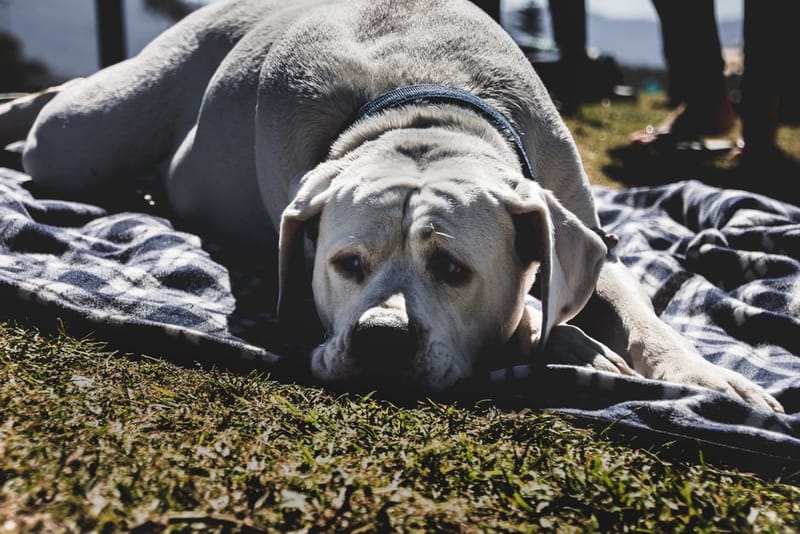
A holiday does not have to end the day your dog turns grey around the muzzle. Older dogs often travel beautifully, with the calm and the steady manners that younger dogs are still learning. The difference is in the planning. A senior dog needs more comfort breaks, softer bedding, a closer eye on the weather and a vet's blessing before a long trip. Get those right and an older dog can be the easiest of travelling companions. This guide covers everything from the pre-trip vet check to choosing the right accommodation.
Is it safe to travel with a senior dog?
For most older dogs, yes. A senior dog (generally a dog over about seven for large breeds, or over ten for small ones) can travel as happily as a younger one, provided you adapt the trip to their pace. The key is to be honest about their health.
A dog with well-managed arthritis, mild heart disease or failing eyesight can usually still enjoy a gentle break. A dog with advanced heart failure, severe mobility loss, uncontrolled seizures or significant cognitive decline is better off at home with a familiar sitter. The deciding factor is not age itself but how a long car journey and a change of environment will affect their specific conditions.
This is exactly the conversation to have at a pre-trip vet check. Under the Animal Welfare Act 2006 you have a duty to meet your dog's needs, and a quick consultation confirms whether travel is sensible and whether their medication needs adjusting for the trip.
How do you prepare an older dog for a trip?
Preparation is where most of the work happens. Start a week or two before you leave, not the night before, so there is time to sort medication, paperwork and a practice run.
Book a pre-trip vet check
Ask whether your dog is fit to travel, top up any repeat medication, and get your vet's notes in case you need care away from home.
Carry the medical basics
Take all current medication in its original packaging, a copy of the prescription, and your vet's phone number and your dog's microchip details.
Find a vet at your destination
Look up the nearest practice and an out-of-hours emergency vet before you arrive, so you are not searching in a crisis.
Do a short practice drive
If your dog rarely travels, a few short local trips rebuild their car confidence and let you spot any motion sickness early.
Bring the comforts of home
A familiar bed, a worn blanket and a favourite toy reduce stress and help an older dog settle in a new place.
What should you pack for a senior dog?
Older dogs need a few extras that a younger dog can manage without. Build your packing list around comfort, mobility and routine.
An orthopaedic or memory-foam bed
Supportive bedding eases stiff joints far better than a thin travel mat, and a familiar bed doubles as a comfort blanket.
A car ramp or steps
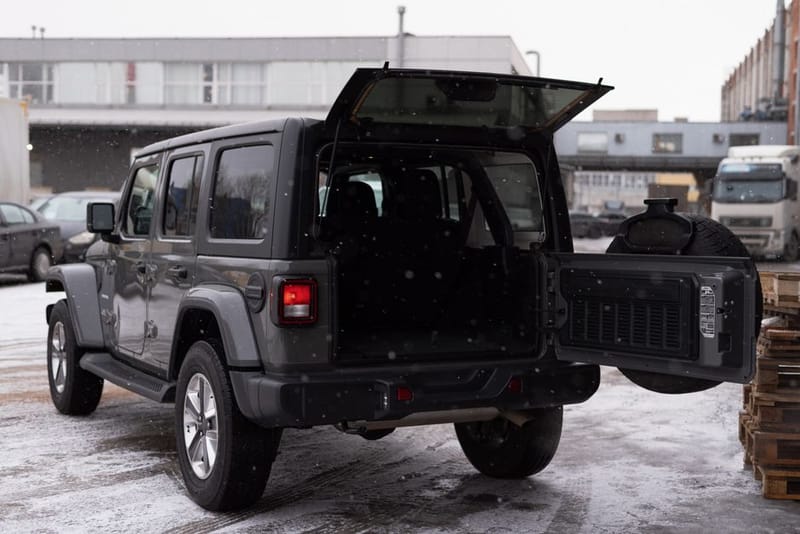
Jumping in and out of a boot is hard on ageing hips and elbows. A ramp protects their joints and your back.
Plenty of fresh water and a travel bowl
Older dogs dehydrate more quickly. Offer water at every stop and never ration it on a warm day.
Their usual food
A sudden diet change on top of travel stress invites an upset stomach. Bring enough of their normal food for the whole trip.
Towels and extra bedding
Senior dogs may need the toilet more often and can have the odd accident. Pack spares so the journey stays comfortable.
A coat for cool evenings
Older dogs feel the cold more. A light coat helps on early-morning or seaside walks.
Making the car journey comfortable
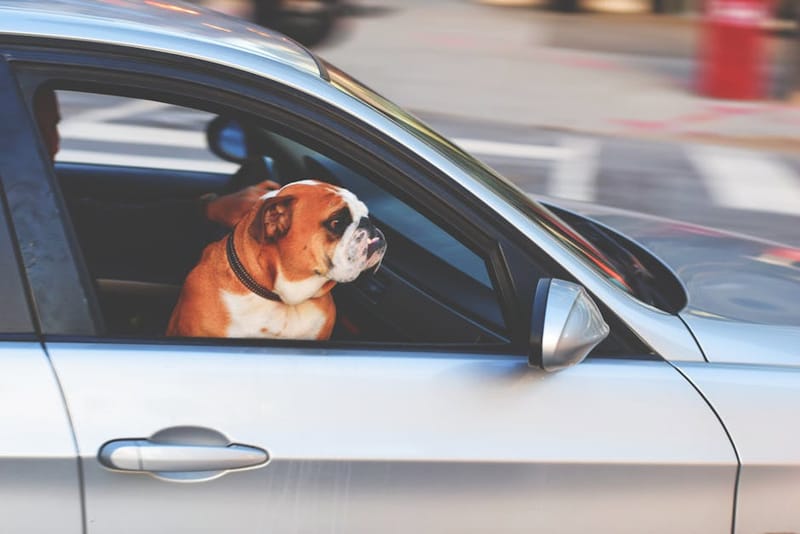
The car is where an older dog's comfort is won or lost. The Highway Code (rule 57) requires dogs to be suitably restrained so they cannot distract or injure you in a crash, which for most dogs means a crash-tested harness, a secured crate or a boot guard.
Plan a break every two hours
Older dogs stiffen up if they sit too long and need the toilet more often. A short leg-stretch and a drink every couple of hours keeps them comfortable.
Set up a low, padded space
Use a ramp to load them, then settle them on supportive bedding at floor level rather than a high seat they could slip from.
Keep the temperature steady
Older dogs regulate heat less well. Use air conditioning or open windows on warm days, and never leave a dog alone in a parked car.
Manage motion sickness early
Travel on a light stomach, keep the car well ventilated, and ask your vet about anti-sickness medication if your dog drools or vomits on the move.
Drive smoothly
Gentle braking and cornering matter more for a dog with weak joints or poor balance. Sudden movements can throw an older dog off its feet.
Choosing senior-dog-friendly accommodation
Where you stay can make or break a trip with an older dog. Look beyond the dog-friendly label for the practical details that matter to ageing legs and bladders:
- Ground-floor or lift access. Stairs are hard on arthritic joints, and several flights a day will leave a senior dog sore. A ground-floor room is ideal.
- An enclosed garden or nearby grass. Quick, frequent toilet access matters more as dogs age. A secure garden saves late-night trips down a corridor.
- A quiet location. Older dogs, especially those with hearing loss or cognitive decline, settle better away from noise and crowds.
- Easy parking close to the door. The shorter the walk from car to room, the easier on a tired or stiff dog at the end of a journey.
It is worth calling ahead to confirm these details rather than relying on photos. Many hotels and cottages are happy to allocate a ground-floor room when they know an older dog is coming.
Managing your dog's health on the road
A change of scene can unsettle a senior dog's routine, so keep the things that anchor their day as consistent as possible.
Stick to their normal feeding and medication times, even across time zones or late nights. Keep walks gentle and on familiar surfaces where you can, and let them set the pace rather than matching a younger dog or an ambitious itinerary. Watch for the early signs of trouble: reluctance to move, heavier panting than usual, loss of appetite, or confusion in a new place.
Hot weather deserves special care. Older dogs, flat-faced breeds and overweight dogs overheat fastest, so walk in the cool of early morning or evening, carry water everywhere, and know the signs of heatstroke. If your dog seems distressed, stop, cool them gradually and call a vet.
When is it better to leave a senior dog at home?
Sometimes the kindest choice is to leave your dog behind. Consider a trusted sitter or familiar boarding instead of travelling if your dog:
- has advanced heart or respiratory disease that long journeys would strain
- struggles to stand or walk more than a short distance
- has significant cognitive decline and finds new places frightening
- is recovering from surgery or a recent flare-up of a chronic condition
- becomes severely stressed or sick in the car despite preparation
There is no failure in deciding a dog is happier at home. A familiar room with a sitter who follows their routine is often less stressful for a frail dog than even the gentlest holiday.
Frequently asked questions
At what age is a dog considered senior?
How often should I stop when driving with an older dog?
Do I legally need to restrain my dog in the car?
How do I stop my senior dog getting car sick?
Is it cruel to take an old dog on holiday?
Best Dog Car Ramps for Senior and Large Breeds

Dog-Friendly Hotels with Enclosed Gardens

Dog-Friendly UK Summer Holidays