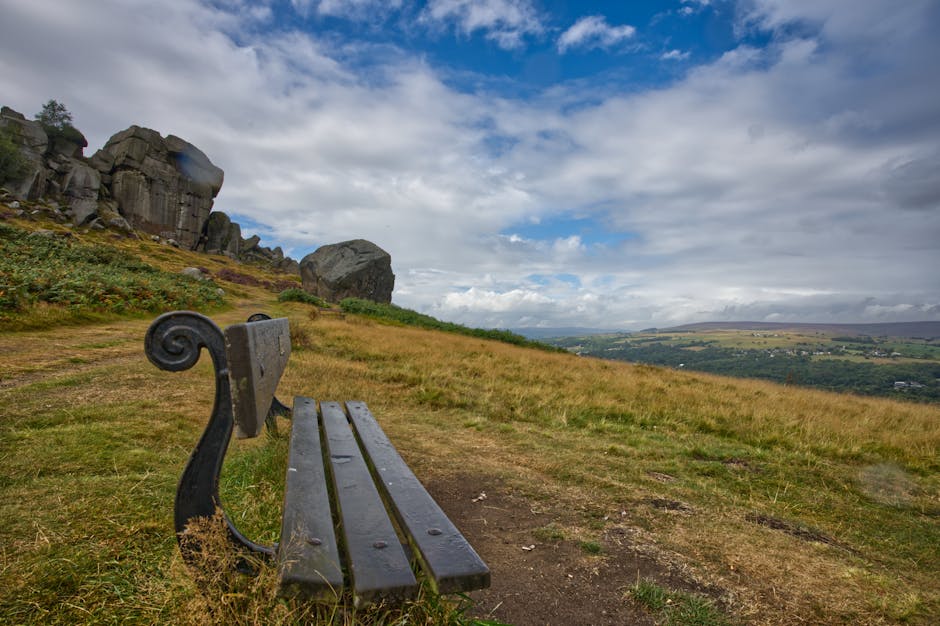
Dog-Friendly Yorkshire: The Complete Guide for 2026
Everything you need to plan the perfect dog-friendly holiday in Yorkshire. From the dramatic Dales to the rugged coast, discover the best walks, beaches, pubs, and accommodation where your four-legged friend is truly welcome.
Dog-Friendly Yorkshire
Your complete guide to exploring God's Own Country with your four-legged companion — from sweeping moorland and dramatic coastline to cosy village pubs with water bowls at the ready.
Why Yorkshire Is Perfect for Dog Owners
If you had to design the ideal county for a dog-friendly holiday, you'd probably end up with something very close to Yorkshire. Vast open moorland where your dog can run until their legs give out. Miles of coastal paths with beaches that welcome dogs year-round. Stone-built villages where the local pub has a jar of treats behind the bar and a bowl of water by the door. Yorkshire has the lot.
As England's largest county, Yorkshire offers a staggering variety of landscapes — all within easy reach of each other. You can start your morning with a fell walk in the Dales, spend the afternoon on a quiet beach near Whitby, and finish the day in a dog-friendly gastropub in a market town. Few places in Britain pack so much into one region.
What makes Yorkshire particularly special for dog owners is the attitude. This is farming country at heart, and dogs are part of everyday life here. You won't get funny looks walking into a tearoom with a muddy spaniel. You won't struggle to find accommodation that genuinely welcomes pets rather than merely tolerating them. Yorkshire gets it.
This guide covers everything you need to plan your trip — the best walks, the friendliest beaches, where to eat, where to stay, and the practical bits that make the difference between a good holiday and a great one. Whether you're planning a long weekend or a full fortnight, consider this your starting point.
The Yorkshire Dales: Wide Open Spaces
The Yorkshire Dales National Park is, quite simply, one of the finest places in England to walk with a dog. Rolling limestone hills, deep-cut valleys, tumbling waterfalls, and vast stretches of open access land where well-behaved dogs can enjoy genuine freedom.
Best Walks in the Dales
The Yorkshire Three Peaks is the headline act — a 24-mile circular taking in Pen-y-ghent, Whernside, and Ingleborough. It's a serious day out and not one for every dog (or every owner, for that matter), but fit dogs with good recall will absolutely thrive on it. The terrain is varied — flagstone paths, boggy moorland, rocky scrambles — so paw protection is worth considering in rougher sections. Most walkers start and finish in Horton in Ribblesdale, where the Pen-y-ghent Café has been fortifying walkers (and their dogs) for decades.
For something gentler, Malham Cove and Gordale Scar offer a spectacular half-day walk. The path from Malham village up to the cove's limestone pavement is well-maintained and manageable for most dogs. From the top, you get extraordinary views across the Dales. You can extend the walk to Janet's Foss — a pretty waterfall with a natural pool where many dogs take an enthusiastic dip, whether invited to or not.
Aysgarth Falls in Wensleydale is another brilliant option, particularly after rain when the falls are at their most dramatic. The woodland paths along the River Ure are gorgeous in autumn, and there's a decent car park with a National Park visitor centre. Dogs must be on leads near the falls themselves, but there's plenty of space to roam on the surrounding paths.
Bolton Abbey deserves a mention too. The estate charges a small car parking fee, but the walks along the River Wharfe are lovely, and the Strid — a narrow, dangerously fast section of river — is genuinely awe-inspiring. Keep dogs well away from the water at the Strid itself; it's no exaggeration to say it's lethal. The wider estate paths, though, are perfect for a relaxed afternoon ramble.
Livestock Awareness in the Dales
This is sheep country, and it's crucial to keep dogs under close control around livestock. Between March and July especially, ewes and lambs are everywhere. Many Dales walks pass through working farmland, so leads are essential in fields with livestock. The local farmers are generally welcoming to responsible dog owners, but an uncontrolled dog near sheep can cause real harm — and farmers have the legal right to protect their animals. Stick to the Countryside Code and you'll have no issues.
North York Moors: Heather, History, and Horizon
If the Dales are about limestone and lush valleys, the North York Moors offer something quite different — vast expanses of heather moorland that turn purple in late summer, deep forests, and a real sense of wildness that's hard to find in southern England.
Top Walks on the Moors
The Cleveland Way is a 109-mile national trail that loops from Helmsley across the moors and down the coast to Filey. You don't need to tackle the whole thing, of course — individual sections make superb day walks. The stretch from Osmotherley to Clay Bank Top crosses some of the finest moorland in England, with panoramic views and barely another soul in sight.
Rievaulx Abbey and Rievaulx Terrace offer a more gentle but deeply atmospheric walk. The ruins of the 12th-century Cistercian abbey are managed by English Heritage (dogs welcome on leads in the grounds), and the surrounding woodland paths through Rievaulx valley are beautiful. There's a circular walk from Helmsley that takes in the abbey, the terrace viewpoint, and the river — about 5 miles and perfect for a morning.
Dalby Forest is a Forestry England site with well-marked trails ranging from easy strolls to longer hikes. Dogs are welcome throughout and can be off-lead on most trails provided they're under control. The forest is particularly good in wet weather when exposed moorland walks might be miserable — the tree canopy provides shelter, and the paths are well-drained.
Falling Foss near Littlebeck is a hidden gem. A waterfall tucked into ancient woodland, reached by a short walk from the May Beck car park. It's not well-known, which means you'll often have it to yourselves. The paths can be slippery when wet, but most dogs manage fine.
Seasonal Considerations
The moors are subject to grouse shooting season from 12th August to 10th December. During this period, some access land may have temporary restrictions, and you may hear gunfire. Stick to public rights of way and keep dogs on leads during shooting season. The heather also presents a hidden hazard — adders are present on the moors, particularly in spring and early autumn when they're basking. They're shy creatures and will usually move away, but keep an eye on dogs that like to stick their noses into undergrowth.
Between March and July, ground-nesting birds including curlew, lapwing, and golden plover breed on the open moor. Dogs should be kept on leads in these areas to avoid disturbing nests.
The Yorkshire Coast: Beaches, Cliffs, and Fish & Chips
Yorkshire's coastline runs from the Tees estuary down to the Humber, and it's packed with dog-friendly beaches, characterful seaside towns, and some of the best coastal walking in Britain.
Dog-Friendly Beaches
Whitby is the jewel of the Yorkshire coast, and dog owners are well catered for. The main Whitby Beach (west side) allows dogs year-round on the section beyond the bathing area. Tate Hill Beach, the smaller beach below the abbey steps on the east side, is dog-friendly all year too. After your beach visit, walk up the famous 199 steps to the abbey ruins — dogs are welcome in the grounds. And yes, you can absolutely get fish and chips on the harbourside with your dog beside you.
Robin Hood's Bay has a small but characterful beach at the bottom of the village. Dogs are welcome year-round, though the beach virtually disappears at high tide, so check tide times before you go. The walk down through the village is steep and cobbled — fine for most dogs, but worth knowing if yours has mobility issues. The clifftop walk from Robin Hood's Bay to Whitby (about 6 miles along the Cleveland Way) is one of the finest coastal walks in England.
Scarborough has two main beaches. North Bay is the more dog-friendly option, with dogs permitted year-round. South Bay has seasonal restrictions (typically May to September) in the main bathing area, but dogs are allowed at the far ends. Scarborough's North Bay is excellent — a long sandy stretch backed by the miniature railway and Peasholm Park.
Filey is often overlooked in favour of its flashier neighbours, but Filey Beach is a glorious five-mile sweep of sand. Dogs are welcome year-round on most of the beach, with a small restricted zone near the town centre during summer months. Filey Brigg, the rocky headland at the north end, is a brilliant place for rock-pooling with your dog at low tide.
Sandsend, just north of Whitby, is a quieter alternative — a lovely sandy beach with dogs allowed all year. It's a popular spot with local dog walkers, and the walk along the beach to Whitby at low tide is a treat.
Coastal Walking
The Cleveland Way follows the coast from Saltburn down to Filey, and almost every section is superb. Highlights include the stretch around Staithes (a beautiful fishing village with narrow streets and a tiny harbour), the dramatic cliffs at Boulby (the highest on England's east coast at 203 metres), and the section through Ravenscar — the town that never was, abandoned before it was properly built and now wonderfully atmospheric.
Do be mindful of cliff edges — Yorkshire's coastline is subject to erosion, and cliff paths can be closer to the edge than they appear. Keep dogs on leads near cliff edges, particularly if they're the type to chase seagulls with wild abandon.
York: A Dog-Friendly City Break
You might not immediately think of a city as a dog-friendly destination, but York is genuinely excellent. Compact enough to explore on foot, packed with history, and surprisingly welcoming to four-legged visitors.
What to Do in York with a Dog
The City Walls are the obvious starting point. You can walk almost the entire 2-mile circuit of medieval walls with your dog, getting brilliant views of the Minster and the old town. Dogs must be on leads on the walls, and some sections have steep steps that might challenge very small or elderly dogs.
The riverside walks along the Ouse are lovely — flat, easy paths popular with local dog walkers. You can walk from the city centre out to Rawcliffe Meadows or Clifton Ings, which are flood meadows with wide open spaces. In summer, many dogs enjoy a paddle in the river, though keep them out during high water.
Rowntree Park is a pleasant green space south of the city centre with a dedicated off-lead area for dogs. The Knavesmire — the racecourse area — is another popular spot for dog walking, with plenty of open grassland.
York Minster itself doesn't allow dogs (assistance dogs excepted), and most museums and indoor attractions follow suit. But the city's real charm is in its streets, and walking the Shambles, exploring the Snickelways, and soaking up the atmosphere is just as rewarding with a dog as without.
Dog-Friendly Eating in York
York has dozens of dog-friendly cafés and pubs. The Guy Fawkes Inn on High Petergate welcomes dogs and has a cracking position right next to the Minster. Evil Eye on Stonegate is a quirky bar that's dog-friendly on the ground floor. Brew & Brownie is a popular brunch spot that welcomes well-behaved dogs. For a proper pub lunch, The Blue Bell on Fossgate is one of York's best traditional pubs and welcomes dogs — it's tiny, so go early to bag a seat.
Dog-Friendly Accommodation in Yorkshire
Yorkshire has an enormous range of dog-friendly places to stay, from luxury country house hotels to basic camping barns. Here's what to expect across the main options.
Holiday Cottages
Self-catering cottages are the most popular choice for dog owners, and Yorkshire has thousands of them. The Dales and North York Moors are particularly well-served, with converted barns, farmhouses, and stone cottages available in most villages. Many allow two or even three dogs, and the best ones provide enclosed gardens — a genuine blessing when you need to let the dog out last thing at night without getting fully dressed.
Look for properties with hard floors downstairs (easier to clean after muddy walks), a boot room or utility area, and nearby off-lead walking. The best listings are honest about any restrictions — some cottages don't allow dogs on furniture or upstairs, which is perfectly fair but worth knowing in advance.
Popular areas for dog-friendly cottages include Hawes and Reeth in the Dales, Helmsley and Pickering on the edge of the Moors, and Whitby and Robin Hood's Bay on the coast.
Hotels and B&Bs
An increasing number of Yorkshire hotels genuinely welcome dogs rather than just permitting them. Many now offer dog beds, bowls, treats on arrival, and advice on local walks.
The Devonshire Arms at Bolton Abbey is a proper country house hotel that welcomes dogs in certain rooms and has direct access to the estate's walks. The Black Swan at Helmsley is a lovely coaching inn with dog-friendly rooms and an excellent restaurant. For something more affordable, the YHA network has several dog-friendly hostels in Yorkshire, including Boggle Hole near Robin Hood's Bay — set in a former smugglers' mill on the coast.
Glamping and Camping
Yorkshire's glamping scene has exploded in recent years, and many sites welcome dogs. Shepherd's huts, bell tents, yurts, and converted horse boxes are all available, often in stunning rural settings. Camping is even more straightforward — most Yorkshire campsites welcome dogs, and many are on farms or near open access land.
The Camping and Caravanning Club and Caravan and Motorhome Club both have well-maintained sites across Yorkshire, all dog-friendly. Wild camping isn't strictly legal in England, but some landowners in remoter parts of the Dales and Moors tolerate responsible wild campers — always ask permission if possible.
What to Expect on Price
Most dog-friendly accommodation charges a supplement, typically £20–£40 per dog per stay for cottages, or £10–£25 per night for hotels. Some places charge nothing at all, and the odd luxury property charges considerably more. It's always worth checking what's included — some places provide everything your dog needs, while others expect you to bring your own bedding and bowls.
Dog-Friendly Pubs and Tea Rooms
One of the great pleasures of a Yorkshire holiday is the pub lunch after a long walk, and Yorkshire's pubs are among the most dog-friendly in England. Here are some of the best.
Classic Dog-Friendly Pubs
The Tan Hill Inn in Swaledale holds the record as Britain's highest pub at 1,732 feet above sea level. It's gloriously remote, accessible by road but also on several walking routes, and dogs are very welcome. The fire is usually going, which your dog will appreciate after a moorland walk.
The Lister Arms in Malham is perfectly positioned for walks to the Cove and Gordale Scar. Dogs welcome throughout, good beer, hearty food. It gets busy at weekends and during school holidays, so arrive early or book.
The Board Inn at Lealholm in the Esk Valley is a wonderful old pub by a stepping-stone river crossing. Dogs welcome, real ales, and a beer garden where your dog can dry off after an inevitable river dip.
The Star Inn at Harome, near Helmsley, is a Michelin-starred gastropub that welcomes dogs in the bar area. Yes, you can eat Michelin-quality food with a Labrador at your feet. That's Yorkshire for you.
The Birch Hall Inn at Beck Hole is one of the smallest and most characterful pubs in England — essentially two tiny rooms in a hamlet in the middle of nowhere. Dogs welcome, obviously. The beer is served through a hatch, and the ham and pickle sandwiches are legendary.
Tea Rooms and Cafés
Yorkshire's tea room culture is strong, and most village tea rooms welcome dogs, at least in outdoor seating areas. Many allow dogs inside too, particularly outside peak summer months.
Botham's of Whitby is a Yorkshire institution — their bakery and tea rooms on Skinner Street have been going since 1865. Dogs are welcome in the downstairs café area. The lemon buns are exceptional.
The Singing Kettle in Hawes is a proper Dales tea room with home baking and dogs welcome inside. Helmsley has several dog-friendly cafés around the market square. The Cowshed at Boltby is a quirky café in converted farm buildings on the edge of the Moors — dogs very welcome, cake excellent.
A useful rule of thumb: if a Yorkshire pub or café has flagstone floors, there's a very good chance dogs are welcome. If it has carpet, probably not.
Practical Tips for Visiting Yorkshire with Your Dog
Getting There and Getting Around
Yorkshire is well-connected by motorway — the A1(M) runs up the east side, the M62 crosses the south, and the M1 clips the western edge. From London, expect around four hours to the Dales and three and a half to York.
Train travel with dogs is straightforward. Dogs travel free on most UK train services (limit of two per passenger), and the Settle–Carlisle Railway through the Dales is one of England's most scenic rail journeys. Your dog won't appreciate the viaducts, but you will.
Once in Yorkshire, a car is almost essential for exploring the Dales and Moors. Many villages have limited or no public transport, and the most rewarding walks often start from remote car parks. Pay-and-display is standard; many National Park car parks now use the PayByPhone app.
Lead and Recall
Yorkshire's open spaces are wonderful for off-lead walking, but you need reliable recall. Livestock is everywhere, and the moorland is home to ground-nesting birds in spring and summer. As a general rule: leads on in fields with livestock, leads on near cliff edges, leads on through villages, and off-lead on open access land only if your dog has solid recall.
Many of the moorland areas are designated as Open Access Land under the Countryside and Rights of Way Act 2000. Dogs are permitted on access land but must be on a short lead (defined as no more than 2 metres) between 1st March and 31st July to protect ground-nesting birds, and at all times near livestock.
Weather and Kit
Yorkshire weather is changeable, to put it diplomatically. The Dales and Moors are significantly colder and wetter than the valleys, and conditions can change rapidly at altitude. Even in summer, pack waterproofs for you and consider a lightweight dog coat for short-haired breeds.
For winter visits, the moors can see snow and ice from November through to March. Daylight hours are short — plan your walks to finish well before dark, and carry a head torch just in case.
Essential kit for Yorkshire dog walking: poo bags (there are bins at most car parks and villages), a long line if recall is a work in progress, water and a collapsible bowl, a towel for the car, and a basic first aid kit including tick remover — ticks are common in bracken and long grass, particularly from spring through autumn.
Ticks and Health
Yorkshire's moorland and woodland areas have a significant tick population. Check your dog thoroughly after every walk, paying particular attention to ears, armpits, groin, and between toes. A tick remover tool is essential kit — twist, don't pull. If you're visiting regularly, talk to your vet about tick-borne disease prevention.
Alabama Rot cases have been reported in Yorkshire, though it remains very rare. Wash mud off your dog's legs and belly after walks as a sensible precaution, and monitor for any unexplained skin lesions.
Useful Resources
The Yorkshire Dales National Park and North York Moors National Park websites both have excellent information on dog-friendly walks, including up-to-date access restrictions. Ordnance Survey maps (1:25,000 Explorer series) are invaluable for planning walks — digital versions via the OS Maps app work well on the go.