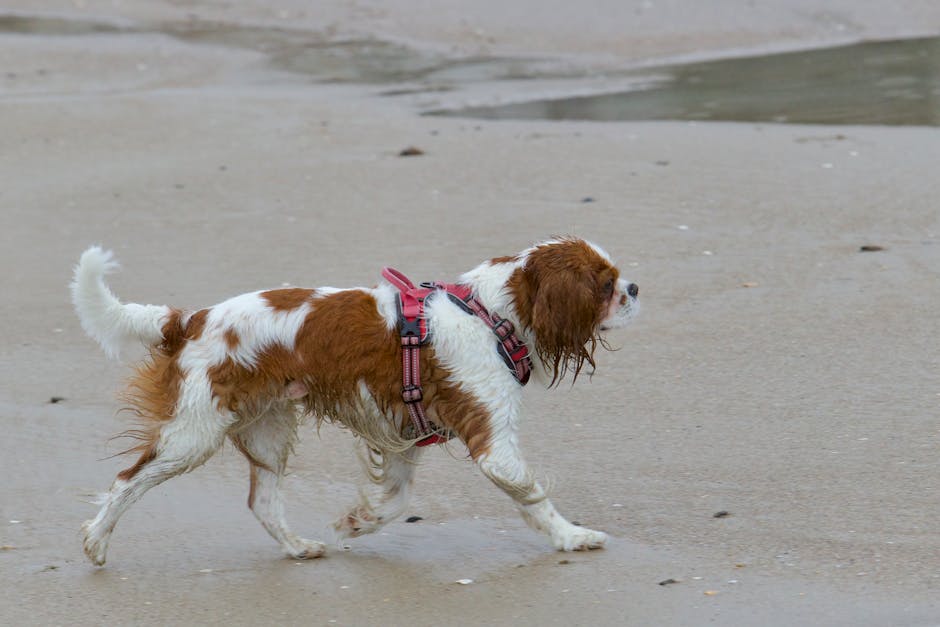
Dog-Friendly Norfolk: The Complete Guide for 2026
Discover why Norfolk is one of England's best counties for dog owners. From the vast sands of Holkham Beach to peaceful Broads walks and welcoming coastal pubs, here's everything you need to plan a brilliant Norfolk holiday with your dog.
If you're looking for a destination where your dog is genuinely welcome — not just tolerated, but properly celebrated — Norfolk should be at the very top of your list. This beautiful county in East Anglia offers miles of wide-open beaches, gentle walking terrain, cosy dog-friendly pubs, and some of the most welcoming accommodation in the country.
Whether you're after windswept coastal walks, peaceful woodland trails, or lazy afternoons by the Norfolk Broads, there's something here for every dog and every owner. Norfolk's relaxed, outdoorsy culture means you'll rarely feel like you're imposing when you turn up with a four-legged companion in tow.
We've put together this complete guide to help you plan the perfect Norfolk trip with your dog — covering the best beaches, walks, places to stay, where to eat, and the practical bits you need to know before you go. If you're new to travelling with your dog, our dog travel checklist is a great place to start.
Best Dog-Friendly Beaches in Norfolk
Miles of sand, dunes, and space to run
Norfolk's coastline is spectacular, and the good news is that dogs are welcome on most beaches for much of the year. The north Norfolk coast in particular offers some of the finest dog-friendly beaches in the whole of the UK — easily rivalling the beaches we love in Cornwall.
Holkham Beach
Holkham is, quite simply, one of the best dog-friendly beaches in England. The sand stretches for miles in every direction, and even on a busy summer's day there's more than enough room for your dog to run without bothering anyone. Dogs are welcome year-round on most of the beach, though there are seasonal restrictions on a small section near the main entrance between May and September. Park at the main car park (pay and display), walk through the pine woods, and you'll emerge onto a beach so vast it feels like another world. Perfect for dogs who love to sprint.
Wells-next-the-Sea
Wells is a charming harbour town with a lovely beach, though it's worth knowing that dogs are restricted from the main beach section during summer months (typically May to September). Outside those dates, it's a fantastic spot. The harbour area and surrounding marshes are great for on-lead walks year-round, and the miniature railway from the town to the beach is a fun touch.
Old Hunstanton
Quieter than its neighbour Hunstanton, Old Hunstanton beach is a real gem for dog owners. The dramatic striped cliffs provide a stunning backdrop, and the beach is far less crowded than many Norfolk spots. Dogs are welcome year-round here, making it a reliable choice whatever the season. The rock pools at low tide will keep curious noses busy for hours.
Winterton-on-Sea
Winterton is wild, windswept, and wonderful. The vast dune system backs onto a long, sandy beach where dogs can roam freely. It's also home to a grey seal colony — more on that later, as there are important rules to follow. Dogs have year-round access to the beach, but you must keep your dog on a lead near the seal colonies, particularly between November and February.
Brancaster Beach
Another enormous sandy beach that's part of the Norfolk Coast Path. At low tide, the sand seems to go on forever. Dogs are welcome, and it's a superb spot for a long walk combining beach and dune trails. The Brancaster area is also home to some excellent dog-friendly pubs — ideal for refuelling after a morning on the sand.
A note on seasonal restrictions: Several Norfolk beaches impose dog restrictions between May and September, typically on the most popular sections. These are usually well signposted. Always check before you visit, as the specific dates and areas can vary year to year. The good news is that even where restrictions apply, there's almost always an adjacent section where dogs remain welcome.
Best Walks in Norfolk with Dogs
Coastal paths, ancient forests, and grand estates
Norfolk might be famously flat, but don't mistake that for boring. The gentle terrain actually makes it ideal for dogs of all ages and fitness levels — and for owners who prefer a relaxed pace over scrambling up mountains. That said, if you enjoy more dramatic landscapes, have a look at our guides to the Peak District and the Scottish Highlands too.
Norfolk Coast Path: Holkham to Wells
This is the walk that everyone talks about, and for good reason. The section from Holkham to Wells-next-the-Sea (around 4 miles one way) takes you along the beach, through pine woods, and past salt marshes teeming with birdlife. It's mostly flat and manageable for any reasonably fit dog. You can walk one way and catch the Coasthopper bus back, or simply retrace your steps.
Thetford Forest
Head inland to Thetford Forest for a completely different Norfolk experience. This vast pine forest offers miles of waymarked trails on soft, sandy paths — brilliant for dogs who overheat easily, as there's shade aplenty even in high summer. The Forestry England car parks have colour-coded trails of varying lengths, so you can pick a route to suit your energy levels. It's also relatively quiet on weekdays.
Blickling Hall Estate (National Trust)
The grounds of this magnificent Jacobean house offer lovely walks through parkland and woodland. Dogs must be kept on leads in the formal grounds but can run free on some of the wider estate trails. The lake walk is particularly pleasant. National Trust members get free parking; otherwise there's a charge.
Sheringham Park
Another National Trust property, Sheringham Park is famous for its rhododendrons in late spring, but it's a beautiful walk at any time of year. The trails wind through mature woodland with glimpses of the sea, and dogs on leads are welcome throughout. There's a good mix of shorter and longer routes, and the views from the top are genuinely lovely.
How Beck Walk, near Cromer
This lesser-known walk follows a wooded valley (a "beck" in local parlance) down to the coast near Cromer. It's short but charming, with dappled shade and a gentle gradient. A nice option if you want a quick leg-stretch before exploring Cromer itself — which, incidentally, is a very dog-friendly town with plenty of welcoming cafes.
The Norfolk Broads with Dogs
Waterways, wildlife, and peaceful towpath walks
The Broads are one of Norfolk's greatest treasures — a network of rivers, lakes, and marshland that feels wonderfully remote despite being easily accessible. And yes, you can absolutely enjoy them with your dog.
Boat hire with dogs
Several boat hire companies on the Broads welcome dogs on board, though policies vary. Day boats are often the easiest option for a taster experience — imagine a gentle afternoon puttering along the river with your dog lounging on deck. If you're hiring a larger boat for a holiday, check the operator's pet policy carefully, as some charge a supplement or restrict the number of dogs.
Walks around the Broads
You don't need to get on the water to enjoy the Broads. There are wonderful walks around:
- Horning — a pretty village with riverside paths and a very dog-friendly atmosphere
- Wroxham — the "Capital of the Broads" has easy waterside walks and dog-friendly tea rooms
- Ranworth — the boardwalk nature trail offers close-up views of the broad, though dogs should be on leads here to protect nesting birds
Important wildlife note
The Broads are a vital habitat for ground-nesting birds, particularly during the breeding season (roughly April to July). Please keep your dog on a lead near riverbanks, reed beds, and marshland during this period. Even a well-behaved dog running near nesting sites can cause birds to abandon their eggs. It's a small compromise that makes a real difference to Norfolk's incredible wildlife.
Seal Watching Etiquette: What Every Dog Owner Must Know
Protecting Norfolk's grey seal colonies
Norfolk is home to one of the largest grey seal colonies in England, with the main sites at Horsey and Winterton-on-Sea. During the pupping season (November to February), hundreds of seals haul out onto the beaches to give birth and nurse their young. It's an incredible sight — but it comes with serious responsibilities for dog owners.
The rules
- Dogs must be on a lead at all times near seal colonies. Ideally, leave your dog in the car or with a companion and view the seals without them.
- Maintain a minimum distance of at least 10 metres from any seal. If a seal looks up or moves because of you, you're too close.
- Never allow your dog to approach, chase, or bark at seals. A stressed mother seal may abandon her pup, which is almost always a death sentence for the youngster.
- Follow all signage and guidance from the volunteer wardens who patrol the main sites.
Why this matters
Grey seals are protected under the Conservation of Seals Act 1970 and the Wildlife and Countryside Act 1981. Disturbing them is a criminal offence. Beyond the legal side, these are vulnerable animals during pupping season, and Norfolk's colony is nationally important. Being a responsible dog owner here means recognising that some places are best visited without your dog, or at least with very careful management.
Outside pupping season, the beaches at Horsey and Winterton are wonderful for dogs — just stay alert, as individual seals can turn up at any time of year.
Dog-Friendly Accommodation in Norfolk
Cottages, hotels, camping, and glamping
Norfolk has a brilliant range of dog-friendly places to stay, from cosy fisherman's cottages to stylish glamping pods.
North Norfolk coast cottages
The villages along the north Norfolk coast — Blakeney, Cley-next-the-Sea, Burnham Market, Stiffkey, and Brancaster — are packed with holiday cottages that welcome dogs. Many are traditional flint-and-brick properties with enclosed gardens, which is a real bonus if your dog isn't great off-lead. Booking early is essential for peak season (July and August), but spring and autumn are arguably the best times to visit with a dog anyway — fewer crowds, milder temperatures, and no beach restrictions.
Look for properties that offer:
- Enclosed gardens (check the fencing is properly dog-proof)
- Hard floors downstairs (easier to clean sandy paws)
- A boot room or utility area
- Proximity to walks — the best cottages have footpaths right from the door
Hotels
If you prefer hotel stays, Norfolk has some lovely dog-friendly options. For a wider look at what's available across the country, have a read of our dog-friendly hotels UK guide — several Norfolk properties feature.
Camping and glamping
Norfolk is fantastic for camping with dogs. The north Norfolk coast has several well-run campsites where dogs are welcome, and glamping options (shepherd's huts, bell tents, safari lodges) have expanded enormously in recent years. Camping is often the most relaxed way to holiday with a dog — no worrying about muddy carpets or furniture restrictions. If you're considering a pet-friendly cottage in Wales as an alternative, that's another region with excellent options.
Dog-Friendly Pubs and Restaurants in Norfolk
Where to eat without leaving your dog in the car
Coastal Norfolk is genuinely one of the most dog-friendly dining areas in the UK. You'll find water bowls outside most pubs, and many welcome dogs inside the bar areas too. Here are a few favourites:
The Dabbling Duck, Great Massingham
A proper country pub with excellent food, real ales, and a warm welcome for dogs. The garden is lovely in summer, and inside there's usually a dog or two snoozing by the fire in winter. The menu is a cut above standard pub fare.
The White Horse, Brancaster Staithe
Stunning location overlooking the marshes with a sun-trap terrace. Dogs are welcome in the bar and garden areas. The seafood is superb — the mussels and crab are locally sourced. Book ahead in summer, as it gets busy.
The Wiveton Bell
A stylish gastropub in a gorgeous setting between Blakeney and Cley. Dogs are welcome in the bar and the large garden. Great food, good wine list, and a relaxed atmosphere that suits muddy-booted walkers perfectly.
General tips
- Most pubs in North Norfolk welcome dogs in bar areas, but not always in dining rooms — ask when you arrive or book
- Cromer, Sheringham, and Holt all have dog-friendly cafes and tea rooms
- Bring a towel for your dog if you're heading to a pub after a beach walk — sandy, wet dogs are tolerated, but dry ones are more popular
- Many of the farm shops along the coast have cafes that welcome dogs in their outdoor seating areas
Practical Tips for Visiting Norfolk with Your Dog
The important stuff you need to know
Livestock awareness
Norfolk is a farming county, and many coastal and inland areas have grazing sheep and cattle. Always keep your dog on a lead around livestock — no exceptions, even if your dog is normally reliable. This is especially important during lambing season (February to April). If cattle approach you aggressively and you feel threatened, let go of the lead and move away — your dog can outrun them, you can't.
Ticks
Norfolk is a known tick area, particularly in heathland, woodland, and areas with long grass or bracken. Check your dog thoroughly after every walk, paying attention to ears, armpits, groin, and between toes. A tick removal tool is essential kit — pack one in your dog travel bag. Speak to your vet about tick prevention treatment before your trip.
Water safety
While Norfolk's beaches are generally safe, some sections have strong tidal currents, particularly around river mouths and harbour channels. The tide comes in quickly across the flat sand at places like Holkham and Brancaster — keep an eye on it, especially if your dog is swimming. The Broads have their own hazards, including strong currents near locks and weirs. Blue-green algae can also appear in Broads waters during hot weather — if the water looks discoloured or has a green scum, keep your dog well away.
Getting there
Norfolk is around 2.5 to 3 hours from London by car, depending on where you're heading. The A11 and A47 are the main routes in. If you're travelling by car with your dog, plan a comfort stop — there are several services with dog-walking areas along the route. Train services run to Norwich, King's Lynn, and Cromer, but a car is really essential for exploring the coast and countryside properly.
Best time to visit
For dog owners, spring (April-May) and autumn (September-October) are ideal. You'll avoid the summer beach restrictions, temperatures are comfortable for dogs, and the crowds are manageable. Winter can be magical — bracing walks on empty beaches, cosy pub fires, and dramatically lower accommodation prices — but wrap up warm and be mindful of seal pupping season.