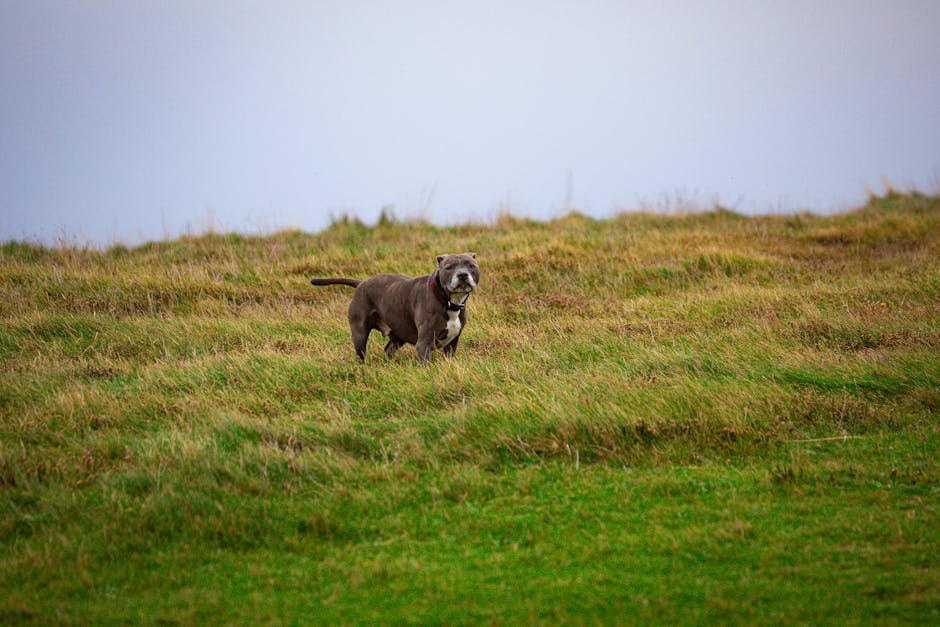
Dog-Friendly Half-Term Breaks UK 2026: Seasonal Guide
Plan a dog-friendly half-term break in the UK: October autumn escapes, February coast getaways, and May early-season cottages — all pet-welcome.
Dog-friendly half-term breaks in the UK offer some of the best-value pet-welcome travel windows in the calendar — quieter destinations, lower mid-week rates, and three distinct seasons to choose from across the school year. October half-term lands in peak autumn-walking weather, February falls during the off-peak coastal season when towns are sleepy and cottage rates are at their lowest, and May half-term marks the start of cottage high-season but still slips in below the school-summer pricing wall.
This guide breaks down where to go for each of the three UK half-term holidays, what the weather and crowds look like, and how to land the best dog-friendly cottages and hotels before they sell out. Most pet-welcome cottages book up six to eight weeks ahead for half-term weeks, so the earlier you settle on dates, the more choice you get.
October Half-Term: Autumn Adventures
Late October 2026 — typically the week of 26 October–1 November
October half-term is widely regarded as the best of the three for dogs. Temperatures sit in the 8–14°C range across most of England and Wales, footpaths have dried out from summer rain but haven't yet turned to winter mud, and the autumn colour peaks somewhere in the second half of the month depending on latitude. Long-coated breeds finally get comfortable walks again, and there are no horseflies left to bother sensitive ears.
Three regions consistently top the list for autumn dog-walking holidays: the Lake District for high-fell colour, the Cotswolds for gentler woodland walks, and the New Forest for free-roaming heath and ancient oak.
Lake District
The fells around Borrowdale, Buttermere, and Grasmere turn russet and gold by late October, and the standard Lakeland routes — Catbells, Loughrigg, Latrigg — are short enough that even older or smaller dogs can complete them. Pet-friendly pubs are common across Keswick, Ambleside, and Coniston, and most cottages allow up to two dogs as standard. For longer routes around Derwentwater and Windermere, see our guide to the best dog walks in the Lake District, or browse the pet-friendly Lake District cottages roundup.
Cotswolds
Lower elevations and milder weather make the Cotswolds a strong pick for breeds that struggle with steep ground or cold rain. Villages like Bourton-on-the-Water, Castle Combe, and Bibury are dog-welcoming on the high street and connect via the well-maintained Cotswold Way for longer days out. October light over the honey-stone villages is excellent for photos, and most cottages around Stow-on-the-Wold and Chipping Campden welcome dogs without surcharge. The full destination guide is at dog-friendly Cotswolds.
New Forest
The New Forest is unusual: dogs can be walked off-lead across most of the open Forest, the terrain is flat enough for any age of dog, and the ponies and deer that share the area mean dogs need to be confident around livestock. October is the start of the New Forest pannage season — the few weeks when pigs are released to clear acorns — and footpaths are quiet outside the obvious tourist car parks. See the dog-friendly New Forest guide for routes, pub recommendations, and the pannage rules.
February Half-Term: Coastal Escapes & Indoor Days
February 2026 — typically the week of 16–22 February
February half-term has a reputation for being the most weather-dependent of the three, but it's also the cheapest. Cottage rates sit at their lowest point of the year outside January, beaches are completely empty, and dog-friendly coastal towns from Cornwall to Northumberland have a different character entirely from their summer selves. The trade-off is short daylight hours — typically 7:30am to 5:30pm — so itineraries that mix one bigger outdoor day with shorter coastal walks and pub lunches work better than back-to-back long hikes.
Winter coast: the dog-walker's secret season
Most UK beaches relax or remove their summer dog bans by 1 October, meaning February is the only school holiday with effectively unrestricted beach access for dogs. The best of the winter coast lies along the south-west and Pembrokeshire — see dog-friendly Cornwall beaches and dog-friendly Welsh beaches for the full picks. Northumberland's beaches (Bamburgh, Embleton, Druridge Bay) are also fully open year-round and tend to be deserted in February, with the bonus of dark winter skies for stargazing in the evenings.
For storm-watching breaks rather than swim-day breaks, the Isle of Wight, Norfolk, and Northumberland coasts offer protected pubs and tea rooms within a short drive of the sea. Browse the Isle of Wight and dog-friendly Norfolk guides for pet-welcome cottages and pub stops.
Indoor backup plans
February weeks need a backup for the inevitable rainy day. Dog-friendly cafés, museums, and country-house grounds become essential rather than optional. The dog-friendly UK attractions guide covers properties and gardens that welcome dogs year-round, including Kew Gardens (on-lead), most National Trust grounds, and a growing list of stately home estates. Many independent cinemas now run dog-friendly screenings, and most farm shops and garden centres allow dogs on a lead inside the building.
May Half-Term: Early Cottage Season
May 2026 — typically the week of 25–31 May
May half-term is the sweet spot for first-time dog-friendly cottage breaks. The weather is settled into spring (long evenings, average highs of 14–17°C), most cottage owners have completed any winter refurbishment, and prices sit a clear step below the July–August peak. It's also the half-term week most exposed to the spring bank holiday Monday, so check whether your booking starts on the Friday or Saturday — three-night Friday–Monday breaks are common.
The Peak District, Yorkshire Dales, and the Cornish/Pembrokeshire coast all hit a strong stride in late May. Long days mean you can fit two walks in plus a pub stop and still finish before sunset. For the Peak District specifically, the heather isn't out yet, but Dovedale, Padley Gorge, and the Roaches are at their lushest — see the dog-friendly Peak District guide.
Why early-season cottages are different
Independent cottage owners typically open new-season availability in January for May half-term, but bookings spike from mid-February once February half-term clears. The cottages most likely to still have May availability inside two months of the date are those without hot tubs (a hot-tub upgrade adds a clear premium), and properties that take three dogs rather than two — these are a smaller share of the market and tend to attract bookings later.
For multi-dog households, the dedicated multi-dog accommodation listings in the summer holidays guide apply year-round and are a useful starting point. If May is a write-off for availability, the Christmas breaks guide covers a quieter late-December window that often has stronger cottage choice than May.
Booking Tips for Dog-Friendly Half-Term Stays
Dog-friendly cottages with hot tubs or enclosed gardens get the biggest premium and the fastest sell-out for half-term weeks. February has the longest lead-time tolerance; October is the fastest to clear.
An enclosed garden makes a half-term break with two or more dogs dramatically easier. The cottage description should explicitly say 'fully enclosed' — 'partially enclosed' usually means a low wall on one side.
Most cottages charge a one-off £25–£40 per dog per stay; some charge per night and stack quickly on a 7-night booking. Per-stay caps are the marker of a genuinely dog-friendly owner.
Some 'dog-friendly' cottages exclude bedrooms, ban dogs on furniture, or limit access to a single ground-floor room. The detailed pet rules are usually on page 2–3 of the listing, not in the headline.
Half-term weeks include at least one rain day. A dog-friendly pub within a 15-minute drive of the cottage saves the day.
For train travel, dog spaces are free but limited per carriage — see our guide to <a href="/blog/travel-with-dog-by-train-uk/">travelling with a dog by train in the UK</a>. For long-distance car journeys, plan stops at dog-friendly service areas (Tebay, Gloucester, Cobham, Wetherby).
What to Pack for a Half-Term Break
Half-term breaks across all three seasons involve at least one muddy walk. A dedicated drying coat is faster than rubbing-down with a towel and lets the dog rest while you change out of wet kit.
Useful for the National Trust and Forestry England spots that allow off-lead access with a recall but where letting a dog roam free isn't appropriate — especially around livestock.
A legal requirement when in a public place, but worth double-checking that the number on the tag still works. Some travel insurers ask for proof of a current ID tag if a dog goes missing.
Coastal breaks in February and inland walks in May both need fresh water on the route. The travel water bottles we've covered in <a href="/blog/best-dog-water-bottle-travel-uk/">our travel water bottle guide</a> are practical for school-holiday day trips.
Take a paper copy of any vaccinations and worming records. Tick numbers rise sharply from May onwards in most of England and Wales — a tick remover (the twister style) belongs in every dog walker's pocket for May half-term onwards.
Frequently asked questions
Which UK half-term is best for a dog-friendly cottage break?
When are UK school half-terms in 2026?
How far in advance should I book a dog-friendly cottage for half-term?
Can I take my dog on the train for a half-term holiday?
Are UK beaches dog-friendly during half-term weeks?
Is a half-term break cheaper than a summer holiday with a dog?
Plan your next dog-friendly UK trip
Compare destination guides, cottage roundups, and pet-travel essentials in one place.