Dog-Friendly Summer Holidays UK
Twelve ideas for your 2026 trip - from coastal escapes to cool-weather retreats, festivals, and the practical bits that make summer travel with a dog actually work.
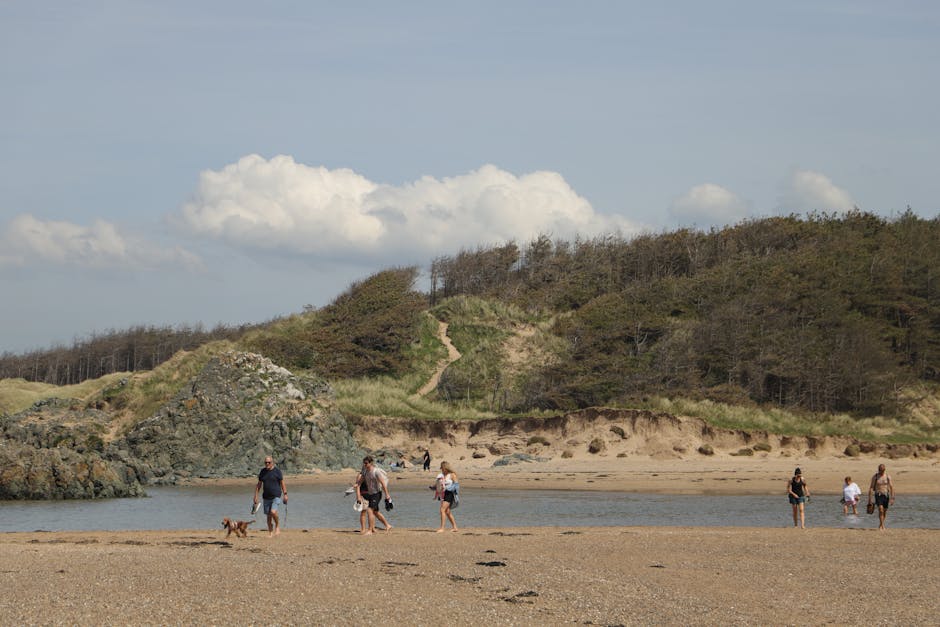
A UK summer holiday is, on paper, the perfect time to travel with a dog: long daylight, plenty of coast, festivals back in full swing, and accommodation choice at its broadest. The catch is that summer is also when seasonal beach restrictions kick in, popular cottages book out months ahead, prices peak, and the occasional UK heatwave forces a rethink of any plan involving a thick-coated breed.
This guide covers twelve dog-friendly summer holiday ideas across the UK - grouped by trip type rather than region - plus the booking, heat-safety, and timing details that make the difference between a smooth holiday and a stressful one. Wherever a section overlaps with a fuller regional guide, you'll find a direct link.
Where are the best dog-friendly coastal summer holidays?
Where the sea is the centrepiece
For most dogs, a beach holiday is the summer holiday. The UK coastline has hundreds of dog-friendly options, but the picture changes meaningfully between May and [September](/blog/best-autumn-dog-friendly-breaks-uk/) because many councils impose seasonal bans (typically 1 May to 30 September, sometimes 1 May to 1 October) on the busiest beaches. The trick is to pick a region with enough year-round dog-friendly stretches that the seasonal restrictions don't matter.
Three regions stand out for genuine summer choice:
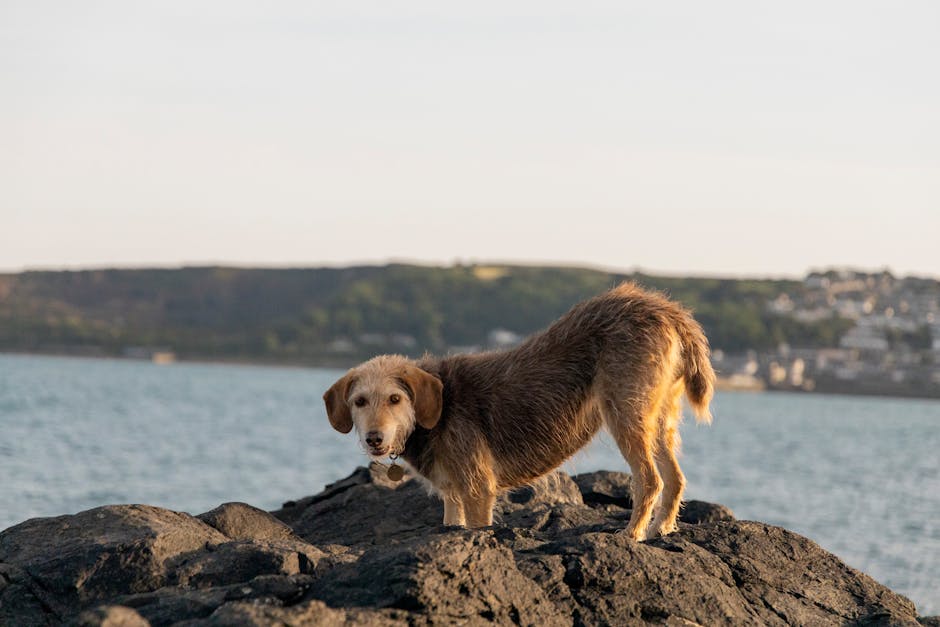
- Cornwall - the highest concentration of always-dog-friendly beaches in England, with Sennen, Porthcurno (off-peak hours), and Pendower among the strongest summer picks. See the Cornwall beaches guide for restrictions by beach.
- Devon - a similar coastline but with quieter family-focused options like Mothecombe and Wonwell. The full breakdown is in the Devon beaches guide.
- Scotland - mainland and island beaches generally allow dogs year-round under the Scottish Outdoor Access Code, making summer planning much simpler. The Scottish beaches guide covers the standout stretches.
For a pan-UK shortlist sorted by accessibility and amenities, the best dog-friendly beaches in the UK round-up is a useful starting point.
2. Cool-weather retreats for heatwave days
When the forecast hits 28°C or above
UK summer heatwaves have become a planning factor rather than a footnote. Temperatures above 25°C are uncomfortable for most dogs and dangerous for flat-faced breeds, older dogs, and heavy coats. Booking a holiday in an upland or northern region gives you both genuine altitude-cooled walks and shaded woodland alternatives if the day turns unexpectedly hot.
The strongest cool-weather destinations are:
- The Lake District (the glaciated National Park covering 912 square miles of Cumbria) - fells offer cooler air and consistent breeze; lakes provide swimming for water-loving breeds. The best dog walks in the Lake District covers route grades and hot-weather alternatives. For accommodation, see pet-friendly Lake District cottages.
- The Peak District (the central English National Park covering 555 square miles of moorland and limestone valleys) - gritstone moors and shaded reservoir walks. The full guide is at dog-friendly Peak District.
- The Scottish Highlands (the upland region north and west of the Highland Boundary Fault, covering most of northern Scotland) - typically 5°C cooler than southern England in a heatwave, with abundant lochs. Covered in dog-friendly Scottish Highlands.
- Yorkshire Dales and North York Moors - high open ground, fewer crowds than the Lakes in August. See dog-friendly Yorkshire.
3. Self-catering cottages and glamping
The most flexible base for a long summer trip
Self-catering accommodation is generally the easiest summer option with a dog: enclosed gardens, no shared corridors, and the freedom to feed and bathe on your own schedule. The downside is that the best dog-friendly cottages book six to nine months ahead for July and August, so booking by February typically gives the best choice.
Two strong cottage regions for summer:
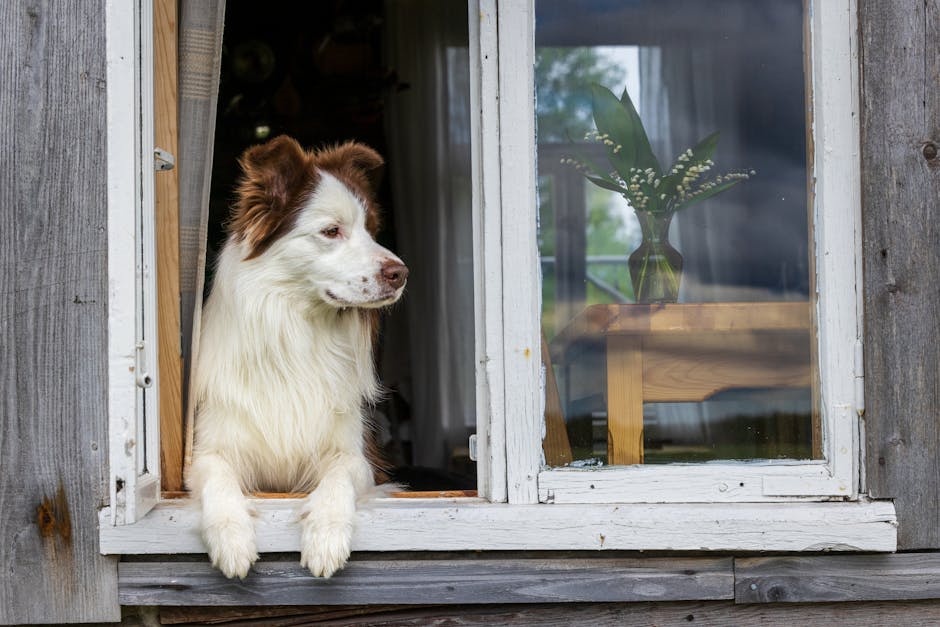
- Wales - coastal Pembrokeshire, the Llŷn Peninsula, and rural Mid-Wales offer enclosed-garden cottages within reach of dog-friendly beaches and mountain walks. Full guide: pet-friendly cottages in Wales.
- The Lake District - see the dedicated Lake District cottages guide for properties graded by enclosed garden, walks-from-the-door, and proximity to a swimming lake.
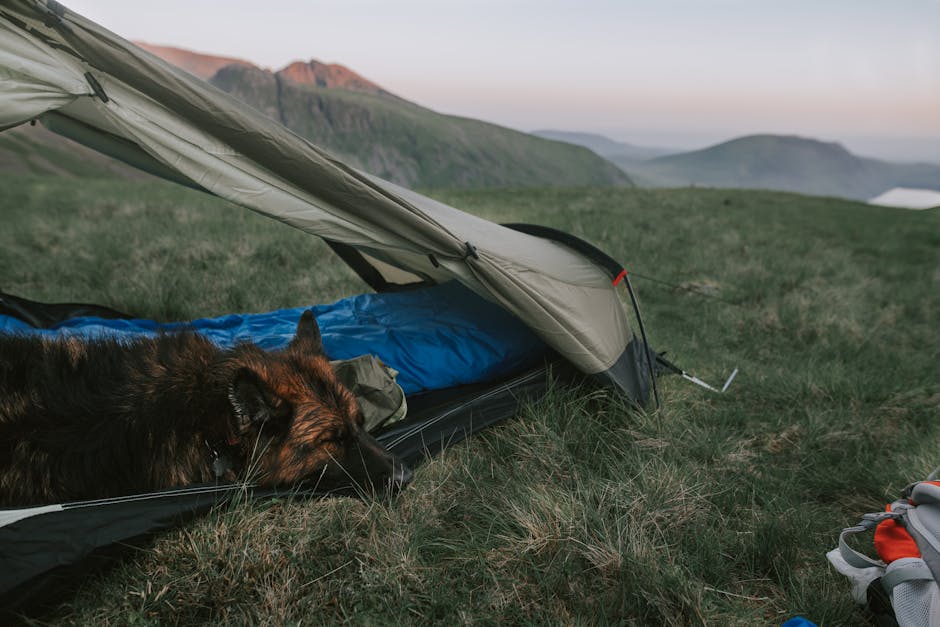
For a lower-budget alternative, dog-friendly camping and glamping are at their best in summer. Pitches with electric hookup and on-site showers are easier to come by than full cottages and often available within four to six weeks of arrival. Site selection, kit, and rules are covered in pet-friendly camping and glamping in the UK.
4. Hotels, pubs with rooms, and city breaks
When self-catering isn't the right fit
Summer is a strong window for dog-friendly hotels because more chains have shifted to permanent dog-welcome policies (Premier Inn's PupPremier rooms, Hoxton's pet menus, many independents in the South West). The selection criteria - room placement, ground floor or upper floor, proximity to outside space - are detailed in the dog-friendly UK hotels guide.
For a city or near-city base, a long weekend works better than a full week. Dog-friendly days out near London covers ten escapes within two hours of the capital, all reachable by train. Pubs with rooms are a strong middle ground - pet-welcoming common areas, no kennel surcharges, and the kind of village walks that don't need a car.
5. Dog-friendly summer festivals and events
When the holiday is the day out
A growing number of UK summer events explicitly welcome dogs, with water stations, shaded areas, and pre-booked tickets to control crowd density. The most established dog-focused festivals to plan a trip around in 2026:
- Goodwoof (Goodwood, West Sussex, May) - a two-day dog festival with Pup-Up Hotels, agility, and dock diving. Tickets are released the preceding November.
- DogFest (multiple sites: Knebworth, Tatton Park, Ashton Court, June–August) - the largest UK dog festival circuit; tickets typically available three months ahead.
- Pup Aid (London, September) - a charity event focused on responsible breeding; free entry, central location.
Beyond dedicated dog events, many country shows and game fairs (CLA Game Fair, Royal Three Counties, Burghley Horse Trials) welcome leashed dogs and are designed for full-day attendance with shaded picnic ground. Confirm the policy on the event site before booking.
6. Booking tips for peak summer
What changes between May and September
Three booking realities apply to UK dog-friendly travel between mid-July and the end of August:
- Pet supplements stack quickly. Cottages typically charge £25–£50 per dog per stay; hotels £15–£40 per dog per night. For a week-long hotel stay with two dogs, the supplement alone can exceed £400 - factor this into the headline price comparison.
- Cancellation policies tighten. Many cottage agencies (Sykes, Cottages.com, Coast & Country) shift to non-refundable deposits from May onwards. Travel insurance with dog-cover (specifically for an owner-illness cancellation) is more relevant than in shoulder season.
- Beach parking caps fill by 9am. National Trust and council car parks at popular dog-friendly beaches frequently close to new arrivals between 9 and 10am from late July through August. Pre-booking where available, or arriving before 8am, is the practical workaround.
7. Heat safety: travelling with a dog in summer
The non-negotiable bits
Heatstroke is the single biggest avoidable summer holiday risk for travelling dogs. The Royal Veterinary College's Vet Compass research has consistently found that UK heatstroke cases peak in July and August, and that exercise (rather than being left in a car) is the most common trigger. The practical safety checklist:
- Walk before 8am or after 7pm on any day forecast above 22°C. Tarmac at midday in 25°C+ can cause paw burns within seconds.
- Never leave a dog in a parked car, even with windows cracked, even for five minutes. Interior temperatures rise 10°C in 10 minutes on a 22°C day.
- Carry a collapsible water bowl and a 1L bottle minimum on every outing.
- Watch for early heatstroke signs: heavy panting, drooling, lethargy, stumbling, vomiting. Move to shade, cool with tepid (not cold) water, and call a vet.
Travel-method specifics - cooling kit for the car, train carriage rules, summer flight restrictions - are covered in the dedicated guides: travelling with your dog by car, travelling with a dog by train in the UK, and flying with your dog from the UK.
8. Best months for a UK dog holiday
Why the shoulders often win
If dates are flexible, the strongest months for a UK dog-friendly summer holiday are typically late May, June, and September, in that order. The reasons:
- Late May - many seasonal beach restrictions only begin on 1 May, but daytime crowds remain low until the school holidays. Daylight is at its longest, prices haven't peaked, and temperatures rarely exceed 22°C.
- June - the warmest weather often arrives in the second half of June, but only the last week falls inside the school summer holidays. Peak weather, off-peak prices.
- September - sea temperatures are at their warmest of the year (a counterintuitive fact: peak UK sea temperature is mid-September, not August), seasonal beach restrictions usually lift on 30 September or 1 October, and prices drop sharply after the August bank holiday.
July and August are perfectly viable, but they require earlier booking, larger budgets, and contingency plans for both heatwaves and rainstorms in equal measure.
Where to plan next
Region and topic guides referenced above
Dog-Friendly Cornwall
Pet-Friendly Cottages in Wales
Best Dog Walks in the Lake District
Dog-Friendly Pubs in the UK
Complete Dog Travel Checklist